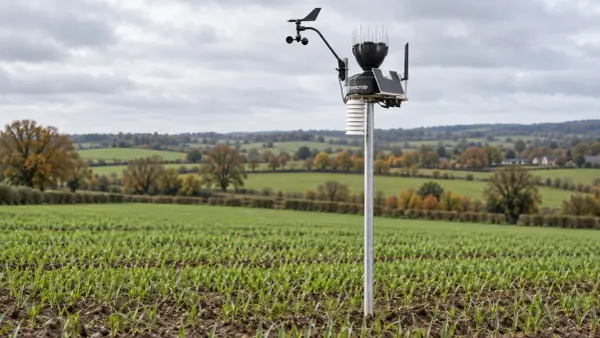
A combined total of 6.22 miles worth of rainfall on Sencrop stations
This is enough to fill approximately 30,000 boots with rain!
4.6 inches of rain on November 7 in Martinique
This is the largest amount of rain that was registered at our stations this year. In just one day, heavy rains amounted to the equivalent of a tenth of the annual rain needed for a banana tree in this region!
100 mph the strongest gust of wind recorded by our stations was in Normandy (France)!
The wind blew fiercely at our Windcrop stations during storm Ciara in February. 161 km/h is four times faster than a loaded tractor on a country road!
33.7°C, on 12 of August in Alresford
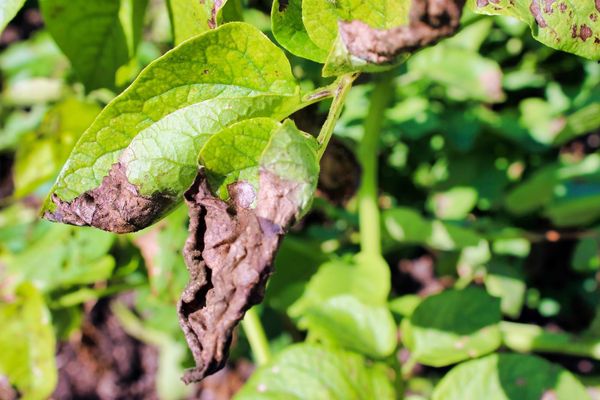
This is the highest temperature recorded by our weather stations in the UK in 2020. For comparison, the average temperature during the month of July in Death Valley in the US is 40°C. Not exactly the best place for growing potatoes…
14,774 alerts were set up by our users
In total, 5,400 farmers use this function on their Sencrop app, which comes out to an average of three alerts set up per farmer in 2020 — factors, such as frost, leaching, and so on, that need to be anticipated in order to react in time!
The top visited day of our app is on 29 August, with 43,110 visits*
After a particularly dry summer, the rain returned in force. There was nothing else to do but perform a rain dance… and of course, use the Sencrop app to follow the development of the weather conditions!
*One person can connect multiple times
15,000 farmers are using Sencrop!
The Sencrop community continues to grow and comprises 15,000 users across the UK & Europe today!
16,108 installed Sencrop stations
Sencrop stations are flourishing and we are proud that by 2020, in just five years, the number of stations installed in the UK & European fields and serving farmers exceeded 16,000.
250 private networks of stations
Did you know that over two thirds of Sencrop stations are part of groups — cooperatives, chambers of agriculture, and so on? This allows farmers within the network to exchange data and to gain a better understanding of the weather-related challenges in Europe.
Find out more (link to the 250 network’s UK version medium)
4025 stations connected to DSTs
More and more of our users are looking into connecting to DSTs. These tools are crucial for the transition to precision agriculture. Our stations are compatible with more and more DSTs, which allows better decisions to be made based on local weather data.
by the marketing team
The Sencrop team
Share this article
A newsletter on weather and Ag-Tech
Twice a month, news on agricultural weather, ag-tech, and Sencrop innovations to enlighten you and help you make better decisions every day. Subscribe now! 👇