Is the United Kingdom set to experience the hottest spring weather ever recorded?
• 2 min read
After an exceptionally mild May, especially in the northern British Isles, the initial climate forecast indicates that spring 2024 (March-April-May) will be a historic season. With heavy rain and mild temperatures, discover our full report.
The hottest spring recorded
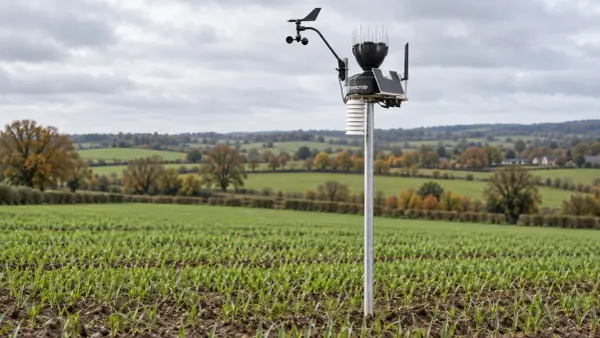
The Sencrop stations recorded temperatures above seasonal norms in recent weeks. Unsurprisingly, mild conditions once again overshadowed cold periods. Daily temperatures have been consistently warm, and nights have also been unusually mild for the season. According to the first official data from the Met Office, spring 2024 is set to be the hottest spring since weather records began! The average temperature reached 9.37°C, surpassing the 9.12°C recorded in spring 2017, previously the hottest spring. The largest deviations from normal temperatures were observed between England and Scotland. In some regions, average temperatures during the March-April-May period are expected to range from 10 to 11°C... that's remarkable!
Like much of Western Europe, precipitation has been significant across three-quarters of the United Kingdom. Rainfall was particularly excessive from northern England to the coast of the English Channel, with variations that, while present, remained relatively modest. Conversely, rainfall was reported below normal over much of Scotland, with deficits exceeding 50% in some areas. According to official climate data, spring 2024 ranked among the top 10 wettest spring seasons, securing the sixth position overall. Specifically for England, it ranks as the fifth rainiest spring on record. Unsurprisingly, sunshine was notably scarce across our fields and crops during these three spring months.
The most striking weather phenomenon in spring 2024
At the transition from late spring to early meteorological summer, heavy rainfall combined with a cold air mass over the country resulted in flooding. This weather phenomenon is known to trigger severe conditions such as heavy rainfall and occasional thunderstorms. The state of Baden-Württemberg in particular faced significant and at times devastating floods. Numerous farms were affected by torrential rainfall, causing extensive water accumulation and river levels to rise dramatically. In some instances, a month's worth of rain fell within 24 hours, prompting alerts across nearly half of Germany. Our thoughts are with the farmers and residents still grappling with the aftermath.
Twice a month, news on agricultural weather, ag-tech, and Sencrop innovations to enlighten you and help you make better decisions every day. Subscribe now! 👇