BYDV : your T-sum starts at emergence
BYDV risk runs on temperature from the day your crop emerges. How the 170 day-degree T-sum works, how to set a 150 alert in the Sencrop app, and which levers reduce the risk this autumn.
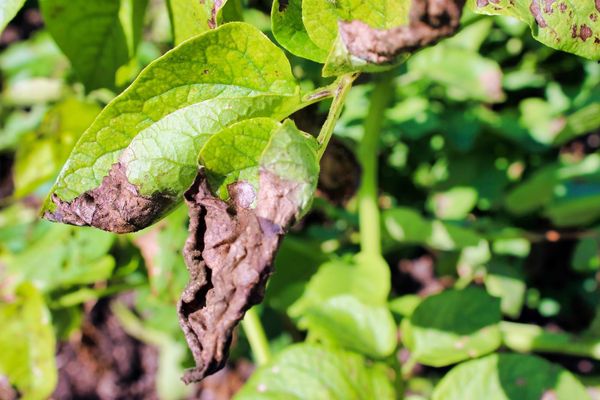
Potato late blight is the most feared fungal disease among potato growers. Without proper monitoring and treatment, yield losses can reach 80 to 100% of the harvest. Understanding the disease, knowing how to recognise it and anticipating its onset are now essential to securing your crops. What Is Potato Late
BYDV risk runs on temperature from the day your crop emerges. How the 170 day-degree T-sum works, how to set a 150 alert in the Sencrop app, and which levers reduce the risk this autumn.
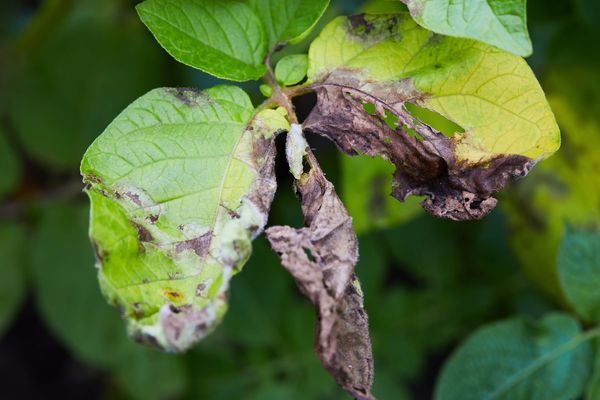
Potato late blight is the most feared fungal disease among potato growers. Without proper monitoring and treatment, yield losses can reach 80 to 100% of the harvest. Understanding the disease, knowing how to recognise it and anticipating its onset are now essential to securing your crops. What Is Potato Late
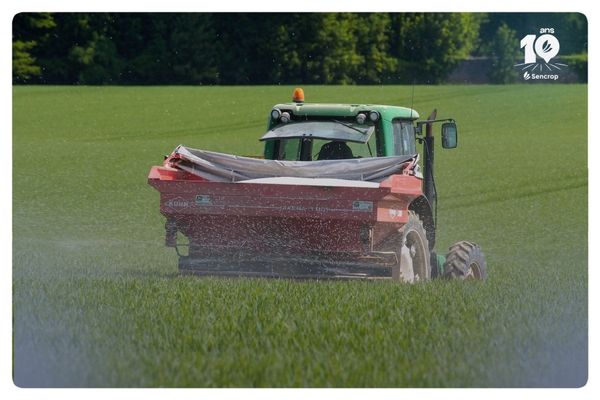
Nitrogen, fertilizers, pesticides: your inputs are expensive. Very expensive. And when heavy rain hits right after application, some of it can literally disappear beneath your feet. Leaching is an often underestimated phenomenon, but one that can have a direct impact on yield, treatment effectiveness… and your wallet. 💡 Good news: there
Crop diseases sometimes seem to appear out of nowhere. One week, the field looks healthy; the next, the first symptoms appear and the situation can deteriorate rapidly. Yet, these episodes are never random. For a disease to develop, three conditions must be met simultaneously: * the presence of a pathogen * a
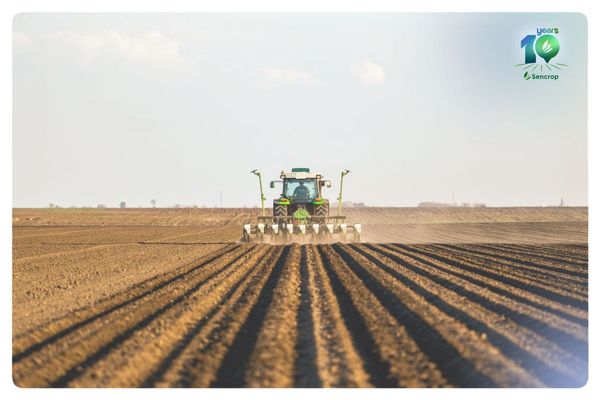
Spring marks the start of a new dynamic on the plots. Corn, beets, sunflowers, open-field vegetables… drilling often follow one another in short windows, where every decision counts. On paper, the conditions seem favorable: temperatures are rising, the soil is drying out, and the days are getting longer. Yet,
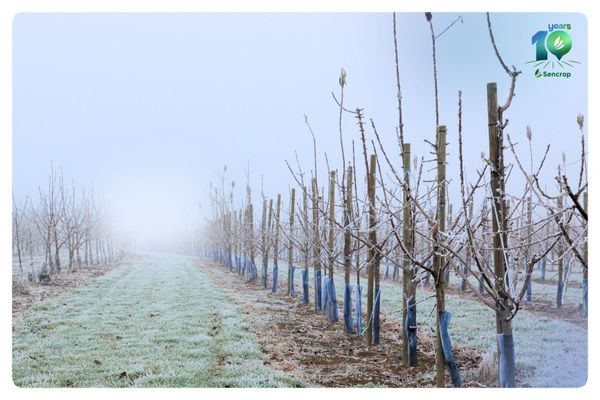
The period from February to April is quite paradoxical: the days get longer, temperatures rise, crops start growing again… and yet, this is when the risk of frost is most present. It is often at this moment that everything is decided. A few hours of cold are enough to weaken