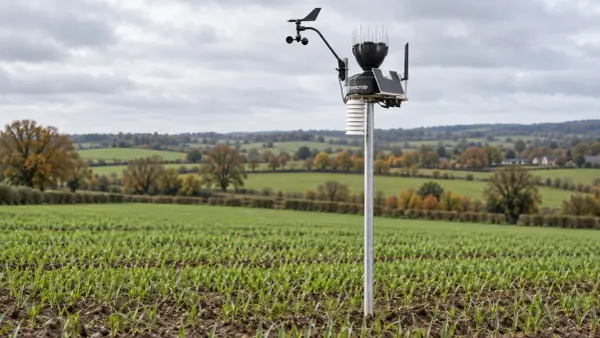
After the mild weather, the United Kingdom has returned to cold and frost.
• 2 min read
After experiencing unusually mild weather, exemplified by Northern Ireland's recent record-breaking warmest day of the year on April 21st, colder conditions have now swept back across the United Kingdom. Explore the recorded temperatures and our insights.
In early April, temperatures in the United Kingdom soared to over 20°C. However, this warmth was short-lived, as temperatures quickly plummeted, dropping below 0°C in numerous regions. Across the Sencrop network, hundreds of stations recorded temperatures close to freezing, especially in the area between Oxford and Canterbury. In some instances, thermometers even dipped as low as -2°C in the far Southeast of the United Kingdom on recent mornings
In recent days, a significant anticyclone has settled over the Western British Isles, while depressional conditions prevailed further East across Europe. The juxtaposition of these major weather systems resulted in the descent of cold air, carried within a north-northheasterly flow. This brief yet notable return of cold weather should not overshadow the preceding weeks. Official climatological data indicates that temperatures were well above seasonal averages at the start of the month, both in the mornings and afternoons. The first 15 days of April were exceptionally mild, with minimum temperatures occasionally reaching 11°C on the mornings of April 11th and 12th. These remarkable values, exceeding seasonal norms by 6 to 7°C, were even observed in Scotland.
Twice a month, news on agricultural weather, ag-tech, and Sencrop innovations to enlighten you and help you make better decisions every day. Subscribe now! 👇