As published in the 18 August press release from the Comite Champagne, champagne exports have drastically decreased due to the current economic climate. The industry predicts a 2020 yield of 8,000 kg/ha compared to the 10,200 kh/ha yield in 2019.
Regardless of the lower rainfall in the region, the organisation still expects a good quality 2020 vintage. Due to this summer’s higher temperatures, the harvest will commence slightly earlier as confirmed by Gael Vuille from world-renowned Bollinger House.
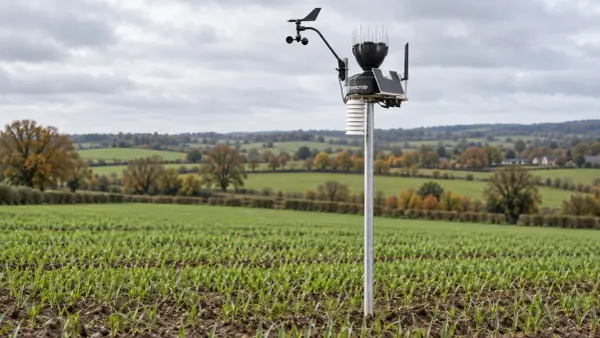
The 2020 vintage while miniscule compared to past years’ yields will still produce a fine vintage. The lower rainfall and summer’s higher temperatures forced farmers to harvest slightly earlier this year. Supplemented with the technology offered by Sencrop, farmers would be able to more efficiently and accurately predict these trends.
by Egalntine Vanhove
The Sencrop team
Share this article
A newsletter on weather and Ag-Tech
Twice a month, news on agricultural weather, ag-tech, and Sencrop innovations to enlighten you and help you make better decisions every day. Subscribe now! 👇