How can you save money by switching to connected weather?
• 3 min read
The weather plays a crucial role in the agricultural sector. It has an impact on all the decisions made by farmers and sets the pace for their work throughout the season. However, traditional weather (manual weather stations and traditional weather forecasting websites) has its limits in terms of accuracy, availability of ultra-local data and speed of transmission.
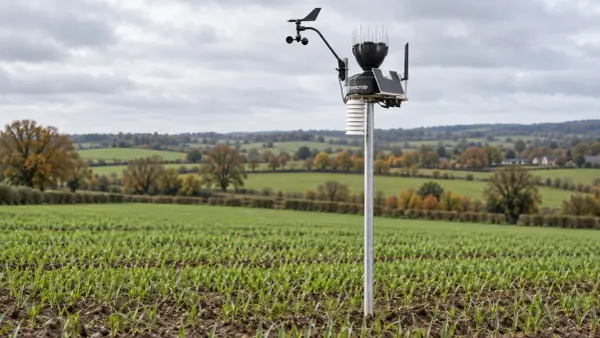
The ability to collect weather data ultra-locally and broadcast it live on an online platform is a game-changer and a response to these challenges. This means that farmers can access the weather data from their crops remotely and at any time, enabling them to make better day-to-day decisions for greater comfort, higher yields and controlled environmental impact.
When is the best time to spray? When should irrigation be triggered? Is there a risk of frost ahead, and how severe is it? Here are a few concrete examples to help you understand how local, connected agricultural weather forecasting is a major ally compared with the weather forecasts on typical online platforms.
By supporting you in your day-to-day operations and guiding you in your decision-making, connected weather brings you many advantages. Discover 5 unique advantages of utilising connected agricultural weather forecasting!
Save time on work
Live weather data from your plots, combined with weather forecasts, means you can plan your operations at the optimum time!
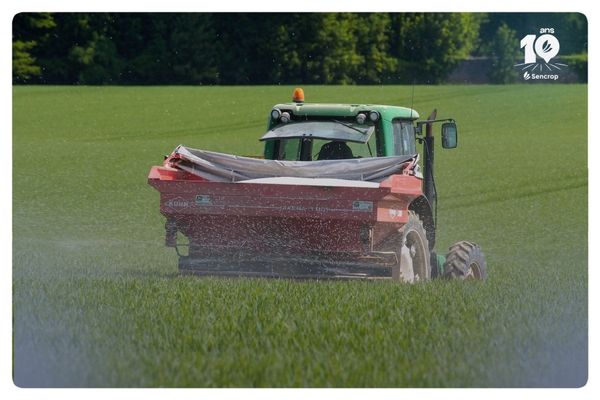
For example, Sencrop can predict when conditions are right for spraying. You can monitor and anticipate rain, wind, temperature and humidity conditions to find the ideal spraying window. By spraying in the right conditions, you can be sure of its effectiveness and potentially reduce the number of spraying operations required.
🌱
Over 95% of winegrowers using Sencrop have reduced their Treatment Frequency Index by 2022 thanks to this solution! *
Sencrop also enables you, for example, to monitor the water status of your crops and identify the best time to trigger your irrigation, thereby saving water turns.
🌱
Some users have reported saving between 60 and 80 mm of water thanks to Sencrop (i.e. up to 800 m3 per hectare saved).
Save time on journeys to other parts of the farm
Live weather forecasts help you identify the best time to work, so you can avoid making unnecessary journeys. Because of the spatial variability of the weather, conditions can differ between the farm and distant plots.Being aware of the actual conditions on your plots due to connected weather stations means you can make fewer trips!
🧑🌾
"I can keep an eye on my remote plots and avoid unnecessary journeys." Olivier Papillon, French farmer
Save money
As mentioned above, with Sencrop, you can carry out your operations under the right conditions, save on treatment frequencies, travel and water tower usage, for example. Reduce the quantity of resources and inputs used and save money!
🧑🌾
"There's no doubt that better weather information allows you to make better decisions, which will certainly help you save money and earn more." Clive Bailye - British farmer and Co-founder of The Farming Forum
🧑🌾
The station has helped me save a crop, which is around €30K. You'd have to be a bit picky not to be pleased!" Denis Delannoy, French farmer
Gain in comfort and peace of mind
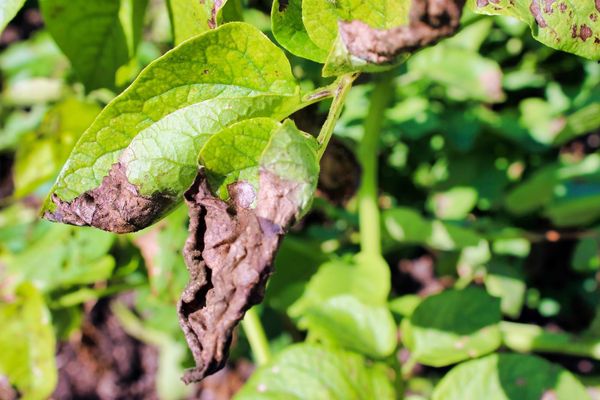
Making life easier for farmers is an integral part of Sencrop's mission. They are exposed to the everyday risks associated with weather conditions and crop farming. Thanks to the connected weather system, you can easily monitor weather conditions and anticipate future risks. Don't let the weather take you by surprise! Be alerted if there's a risk of frost or disease, or when conditions are optimal for spraying.
Adapting to climate change and reducing your environmental impact
Against a backdrop of climate disruption, an increase in the number of extreme weather events and the depletion of resources, being able to anticipate and monitor the weather conditions in your fields is essential to ensure a good harvest, while limiting the amount of work you have to do.
In addition, improving and reducing the use of pesticides has an influence on the resulting environmental impact. For example, when spraying, real-time monitoring of weather conditions and forecasts help to limit the dispersion of plant protection products in the environment. An alert can be programmed into the Sencrop application, such as a wind speed below a threshold value to limit drift.
Calculate your future savings
In just a few clicks, estimate the savings you can make each year with Sencrop on your treatments, travel and irrigation.
Twice a month, news on agricultural weather, ag-tech, and Sencrop innovations to enlighten you and help you make better decisions every day. Subscribe now! 👇