How do we guarantee the accuracy of Sencrop ag-weather stations?
• 5 min read
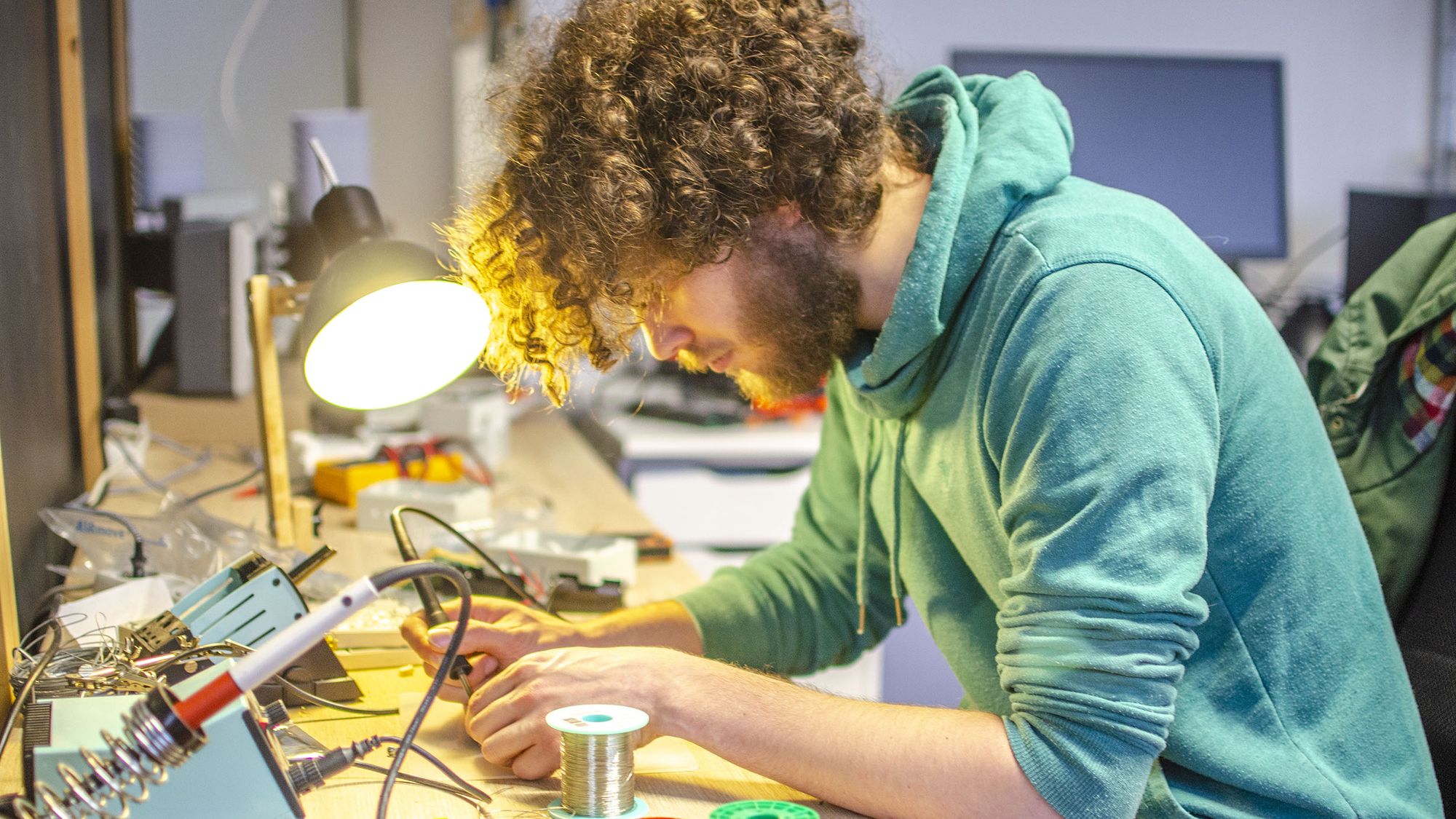
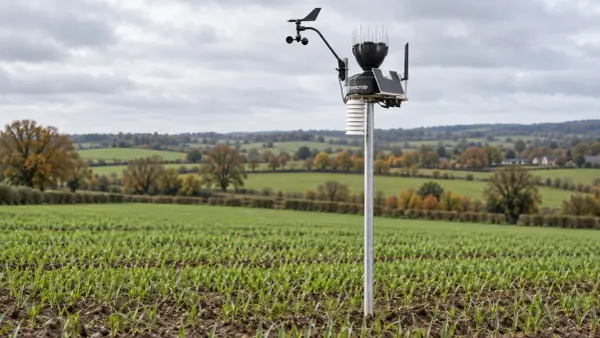
At Sencrop we have been helping farmers for 6 years and have had the opportunity to improve the quality of our products and services tremendously. The Production and Design team deals with quality, research and development and the production of weather stations. What is their goal? To design the most reliable weather station possible that meets the needs of farmers, and to continuously improve its reliability over the long term, thanks to tests and feedback from our customers. Our weather stations are designed, tested and improved directly at our office in Lille.
What steps does a weather station go through to be improved and still remain as reliable as possible? What are the latest examples of improvements? How can we guarantee our stations for 2 years?
An improvement in the overall quality of weather stations
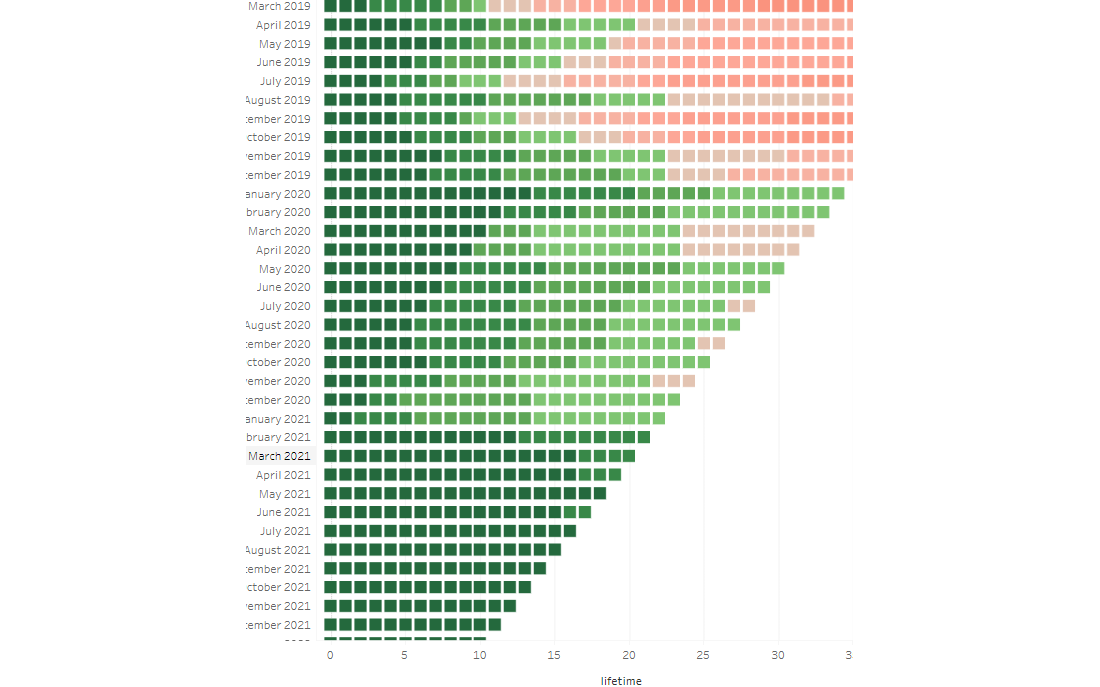
Three years ago, 8000 Raincrop (rain gauges) were installed with a replacement rate of 70% before 2 years. This first generation was counting weather readings correctly, but the lifespan before a problem occurred was not satisfactory for our customers and our teams. We have therefore put in place a number of actions to continually improve our stations and our reporting to provide the best possible service. Today, there are more than 25,000 weather stations distributed, with a replacement rate of less than 2% before 2 years!
👇 Below is an extract of the graph allowing us to follow the evolution of the problems linked to the stations. Here 1 cube corresponds to a month. Each date corresponds to the month of installation of the station. Each line starts with a dark green cube meaning that 0% of the stations needed to be replaced. The cube turns red when 15% of the stations needed to be replaced. The aim is to have a sequence of 24 dark green cubes, corresponding to 2 years with a replacement rate of less than 2%!
Evolution of the station's quality over the time
This improvement has been possible thanks to many aspects:
A dedicated quality team was created
Numerous controls have been put in place on the station production line
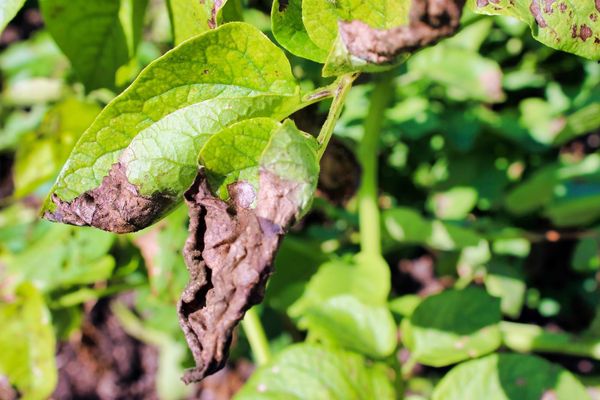
Replaced stations are now thoroughly analysed to find the cause and prevent failures (return slip sent to customers)
Certified laboratories work with us through the validation flow
This structural improvement has improved the overall quality of the stations. We now guarantee the most reliable production output possible, which allows us to focus on further improvements of our stations.
Why should a weather station be continuously improved?
Here are some examples.
Now that we can spend more time improving a weather station, how do we detect a need to improve or modify a component?
There are several things to consider during the production process of a weather station, which may justify an improvement:
A supplier may stop producing a component in our stations.
A new and better technology may enter the market and justify a modification of our stations to increase reliability.
A recurring quality problem may prompt an improvement in the product.
We meet with panels of users as often as possible in our premises, in order to exchange and take feedback, so that together we can build the stations of tomorrow (new needs, modifications to existing stations, etc.).
Here are some examples of how Sencrop has been able to improve the quality of its stations and therefore its readings over time:
Following a technological breakthrough in the market, we have decided to replace the double trough rainfall counting system in our rain gauges with a single spoon system. The various tests carried out confirm that this evolution will improve the reliability of the readings. Indeed, the trough is less dependent on installation conditions. This type of rain gauge will be produced from November. https://faq.sencrop.com/en/articles/6700930-why-do-i-have-a-single-spoon-on-my-raincrop
In order to improve quality, we are developing a new electronic box, planned for 2023. This new box will be able to adapt to our different weather stations and guarantee an even longer robustness to outdoor conditions (up to 5 years)
Following our user meetings and the need for confidence in the reliability of rain measurement, we are developing a rainfall test to be carried out on your weather station, with a dedicated kit.
The tests and customer feedback have enabled us to define that we need to be more proactive in detecting low battery on our stations. This prevents the station from shutting down and therefore avoids both data loss and extends the life of the same station.
New masts and tripods have replaced the old tripods. Many customers complained about the size and quality of the cardboard box in which the tripod was packed. The shipping carton was therefore revised. In addition, the height of the tripod has been lowered, to make level installation easier but still high enough to meet the recommendations for optimal rain measurement.
Left: New Tripod | Right: Switch to Single Bucket
Each improvement is only implemented when the tests are conclusive: the validation processes are thorough, to ensure that the improvement does not hide any bad surprises.
Quality controls and audits or how Sencrop can guarantee the reliability of the stations
The quality controls are varied and extensive to check for strength, reliability of measurements, or any other possible problems. Here are some examples of the checks we carry out:
3D printer prototypes to validate dimensional characteristics, fixing areas, etc.
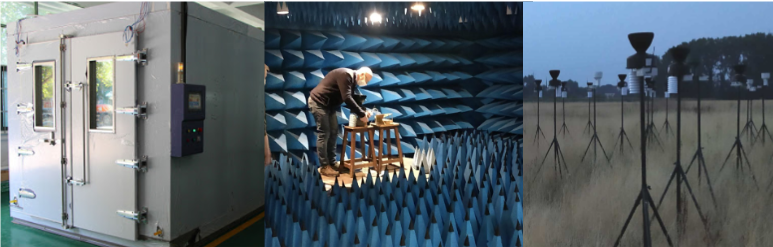
Battery of tests: functional performance (e.g. waterproofing test), climatic resistance test (with prolonged exposure to salt spray and in a climate chamber with extreme conditions).
Comparison between the readings of the different stations and long-term visibility, thanks to our network of stations throughout Europe (more than 25,000 stations)
Customer tests: we call on beta testers for any new product that needs validation, in order to test in a real situation before it is put on the market.
Rain simulator: In our Sencrop workshop we have developed a rain simulator with a precision pump used in the medical field, with several programmes to test our precision under different flow rates.
Test field in real conditions.
From left to right: Climate chamber with extreme weather conditions | Validation of the transmission range of the station | Test field
Thanks to this advanced quality strategy and the numerous controls carried out, we have been able to improve our weather stations for a longer life span and a better consideration of the quality of the meteorological data sent back. This is why we can now guarantee our stations for 2 years.
If you have any questions after purchasing your station, please contact our customer service: +44 118 315 0153
The Sencrop team
Share this article
A newsletter on weather and Ag-Tech
Twice a month, news on agricultural weather, ag-tech, and Sencrop innovations to enlighten you and help you make better decisions every day. Subscribe now! 👇