United Kingdom: an excessively warm winter, a record for February...
• 2 min read
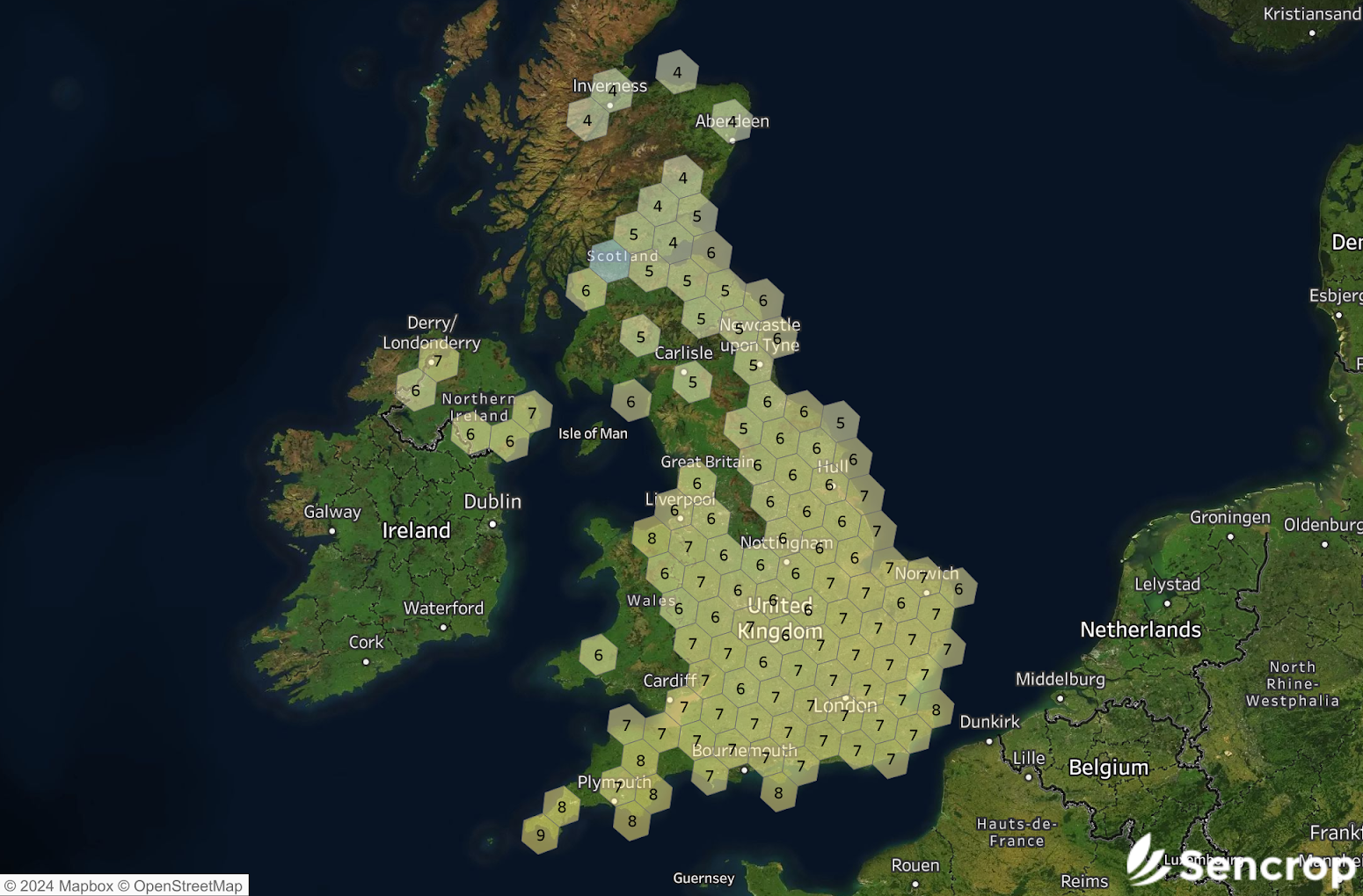
As in previous seasons, temperatures in the UK have been abnormally high for the past few weeks. Despite the occasional return of the cold, the weather remained mild, particularly in February.
A winter that's too warm
The winter of 2023/2024 is once again a historic one. Why is that? It was one of the top 10 warmest winters in the country, but also one of the top 10 wettest winters since meteorological observations began. With an average temperature of 5.29°C between December and February, it is the fifth warmest winter ever recorded in our regions. Unsurprisingly, with global warming, winters are getting warmer. On the 29th January, the Sencrop network recorded temperatures approaching 20°C in parts of Scotland, a remarkable temperature for this time of year. However, the cold would occasionally come creeping back in December, January and early February, as did the snow. But these brief wintry incursions were completely forgotten by the end of the season.
February 2024 became the warmest February on record in the UK. With an official average temperature of 7.5°C communicated by the Met Office, the previous record was largely surpassed. It dates back to February 1990, when the temperature was 7°C. For the UK as a whole, February 2024 was the second warmest winter since 1884.
Rain makes a comeback
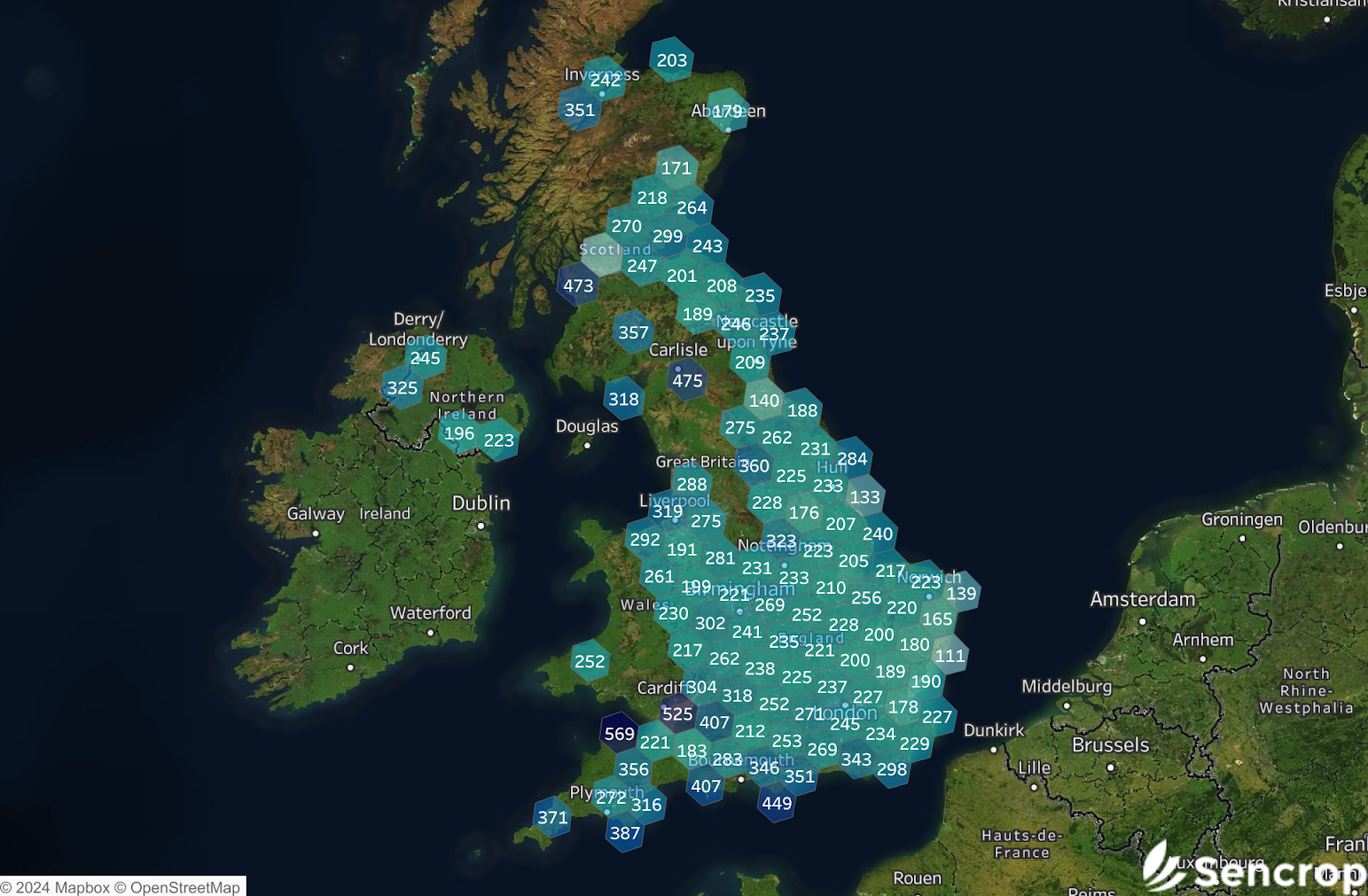
With an average of 445.8 mm of rain, precipitation was on average 29% higher than the seasonal norm. According to climatological data, the UK has just experienced its eighth wettest winter on record. On the Sencrop network, the wettest regions are clearly identified in central and southern England, as well as in Scotland.
It's worth remembering that as the atmosphere gets warmer during our winters, its capacity to absorb moisture also increases, raising fears of even wetter winters ahead. And let's not forget that with this frequent heavy rainfall, several storms have hit our territory such as: Elin, Fergus, Gerritt, Henk, Isha and finally Jocelyn.
Discover the Sencrop solution
Create your profile, connect to a station close to your plots and benefit from a free trial, without obligation.
Twice a month, news on agricultural weather, ag-tech, and Sencrop innovations to enlighten you and help you make better decisions every day. Subscribe now! 👇