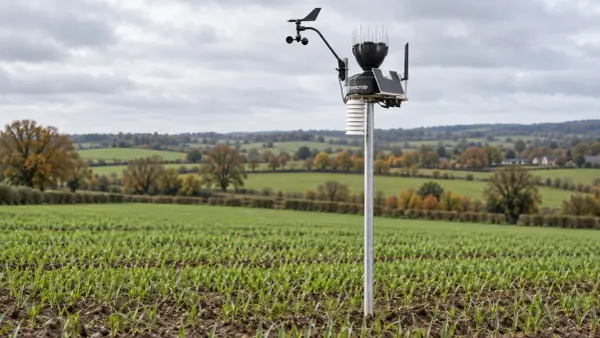
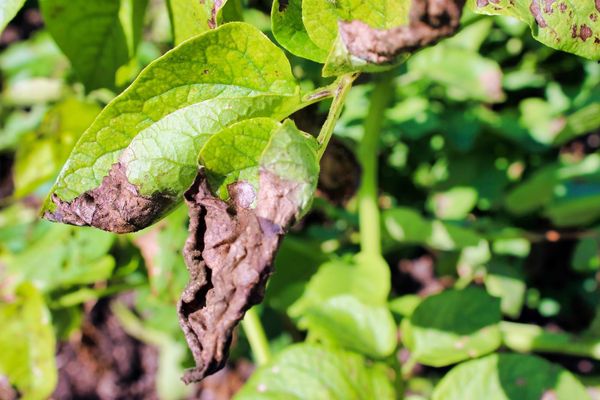
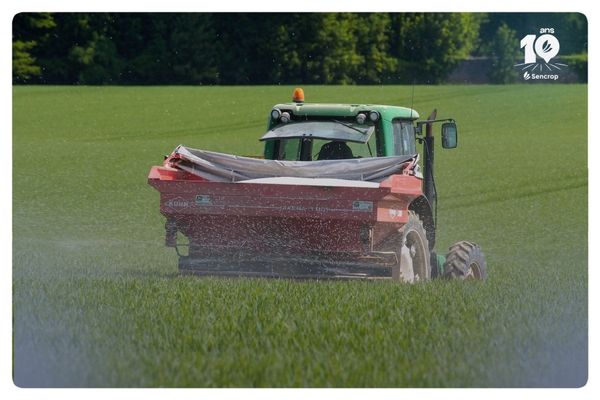
Here are some photos and testimonials from our users:
🌿 Avoid data distorted by vegetation
Over time, vegetation can:
grow around your station
interfere with air flow
clog the rain gauge with dead leaves, for example
or create unwanted shade for the sensors
👉 What are the potential impacts if nothing is done:
underestimation or overestimation of rainfall
inaccurate temperature readings
less reliable risk models (diseases, irrigation, frost, etc.)
📌 Reminder: your station must be kept away from obstacles such as trees or buildings.
🪫 Anticipate the end of battery life
Like all electronic equipment, batteries eventually wear out. Sencrop supports you with a dedicated banner in the application to warn you when this happens. Just follow the instructions in good time!
👉 What could happen if nothing is done:
interruptions in data transmission
gaps in historical data
disruption to agronomic models
💡
Good news: you can order a battery directly from the application
To maintain accurate readings, it is recommended that you clean your weather station at least every three months. For detailed instructions on cleaning your station, see our FAQ, which includes step-by-step guides for cleaning the different types of sensors we offer (rain gauge, anemometer, humidity sensor, etc.).
To provide you with even better support, the Sencrop app now includes a station health dashboard, accessible in the ‘Health dashboard’ tab.
0:00
/0:15
This table allows you to:
Automatically monitor the cleanliness of the rain gauge. You will then receive a cleaning alert. For example, the application detects:
a rain gauge that may be clogged
abnormal tilts suggesting an obstruction
inconsistent deviations from neighbouring stations
Be notified if the anemometer shows signs of blockage
Receive regular maintenance reminders - Because the best cleaning is the one you don't forget!
Be alerted in case of low battery - To avoid any data loss.
👉 This feature is available on all Sencrop 4G stations.
🎉 Your station is clean, operational, and automatically monitored!
A well-maintained station means reliable data, greater agronomic accuracy, peace of mind every day, fewer unexpected breakdowns, and now... automatic monitoring thanks to Sencrop station health.
Have a great season with optimised weather data! 🌱🌦️
Sencrop weather stations
Rain gauge, anemometer, humidity sensor and irradiance sensor : find the most suitable stations for your use
Twice a month, news on agricultural weather, ag-tech, and Sencrop innovations to enlighten you and help you make better decisions every day. Subscribe now! 👇