Potato Late Blight: Causes, Symptoms and Solutions to Protect Your Crops
• 4 min read
Potato late blight is the most feared fungal disease among potato growers. Without proper monitoring and treatment, yield losses can reach 80 to 100% of the harvest. Understanding the disease, knowing how to recognise it and anticipating its onset are now essential to securing your crops.
What Is Potato Late Blight?
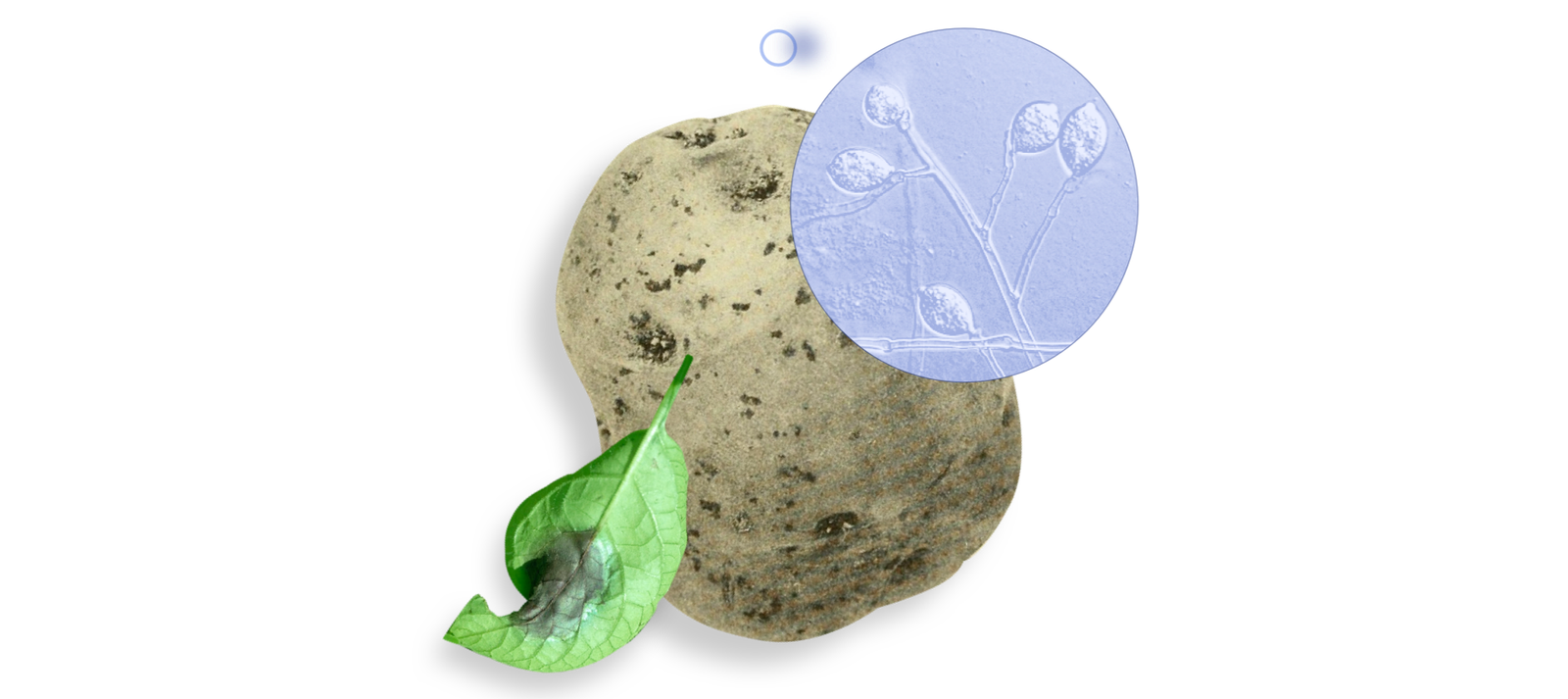
Potato late blight is a disease caused by an oomycete (water mould) called Phytophthora infestans. Highly virulent, it can spread across an entire field within a matter of days under favourable weather conditions.
This pathogen is historically known for having caused the Great Irish Famine in the mid-19th century, leading to the death of over one million people. Today, it remains a major economic threat for potato growers across England and throughout the world. Late blight is the most damaging disease of potatoes in the UK, with the cost of fungicide applications alone estimated at £50 million per year.
How to Recognise Late Blight on Potatoes?
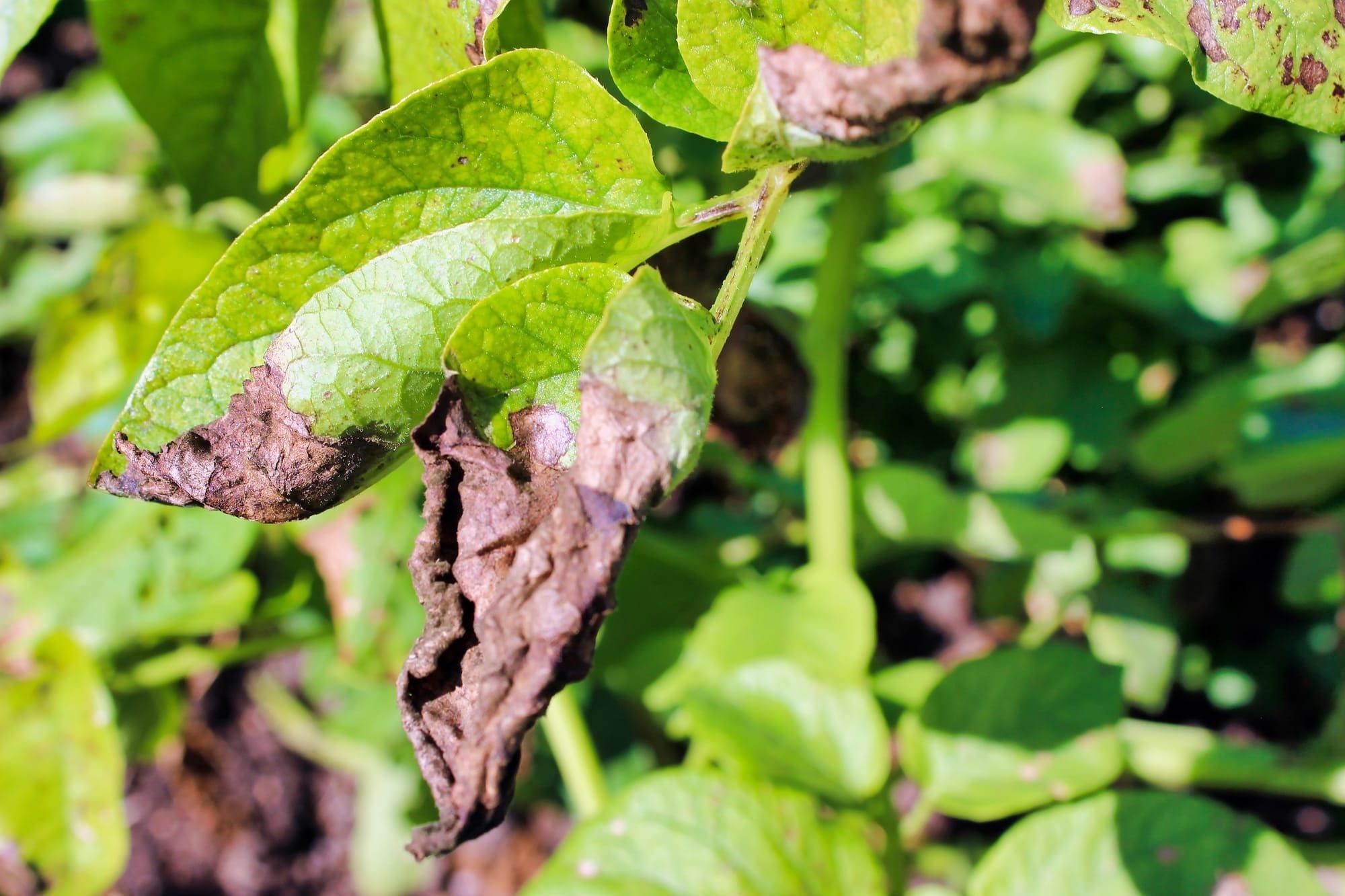
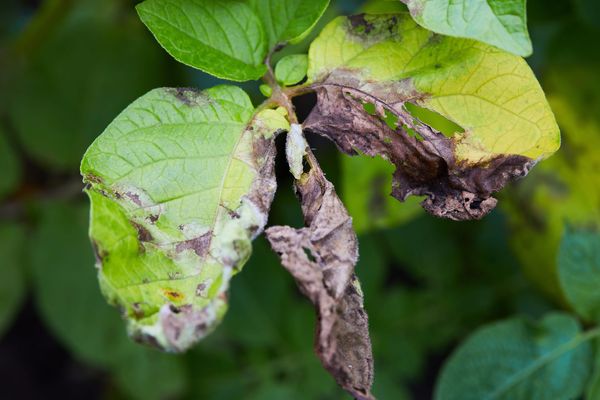
The main symptoms: late blight is characterised by oily, discoloured patches appearing on the upper surface of leaves. On petioles, stems and tubers, these patches turn brown.
Symptoms on Leaves
The first signs generally appear on the foliage:
Oily, discoloured patches with a translucent appearance on the upper leaf surface
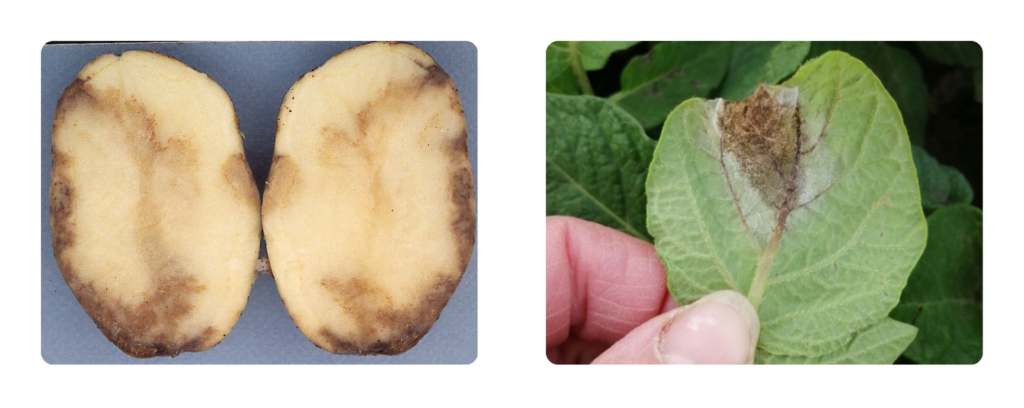
A white-grey downy mould (fungal sporulation) on the underside of leaves, visible in wet conditions
Rapid yellowing then blackening of affected tissue
A characteristic smell of rot during severe attacks
Symptoms on Stems and Petioles
Late blight is not limited to the leaves. On stems and petioles, it causes elongated brown lesions that weaken the plant and can lead to its collapse.
Symptoms on Tubers
Tubers can also be affected, typically via spores washed down into the soil by rain. This results in brownish, firm patches beneath the skin, with a rusty-brown discolouration visible inside the tuber. Contaminated tubers store very poorly and can spread the infection throughout the rest of the storage pile.
What conditions favour the cevelopment of late blight?
Phytophthora infestans thrives under specific conditions. Two factors combined are decisive:
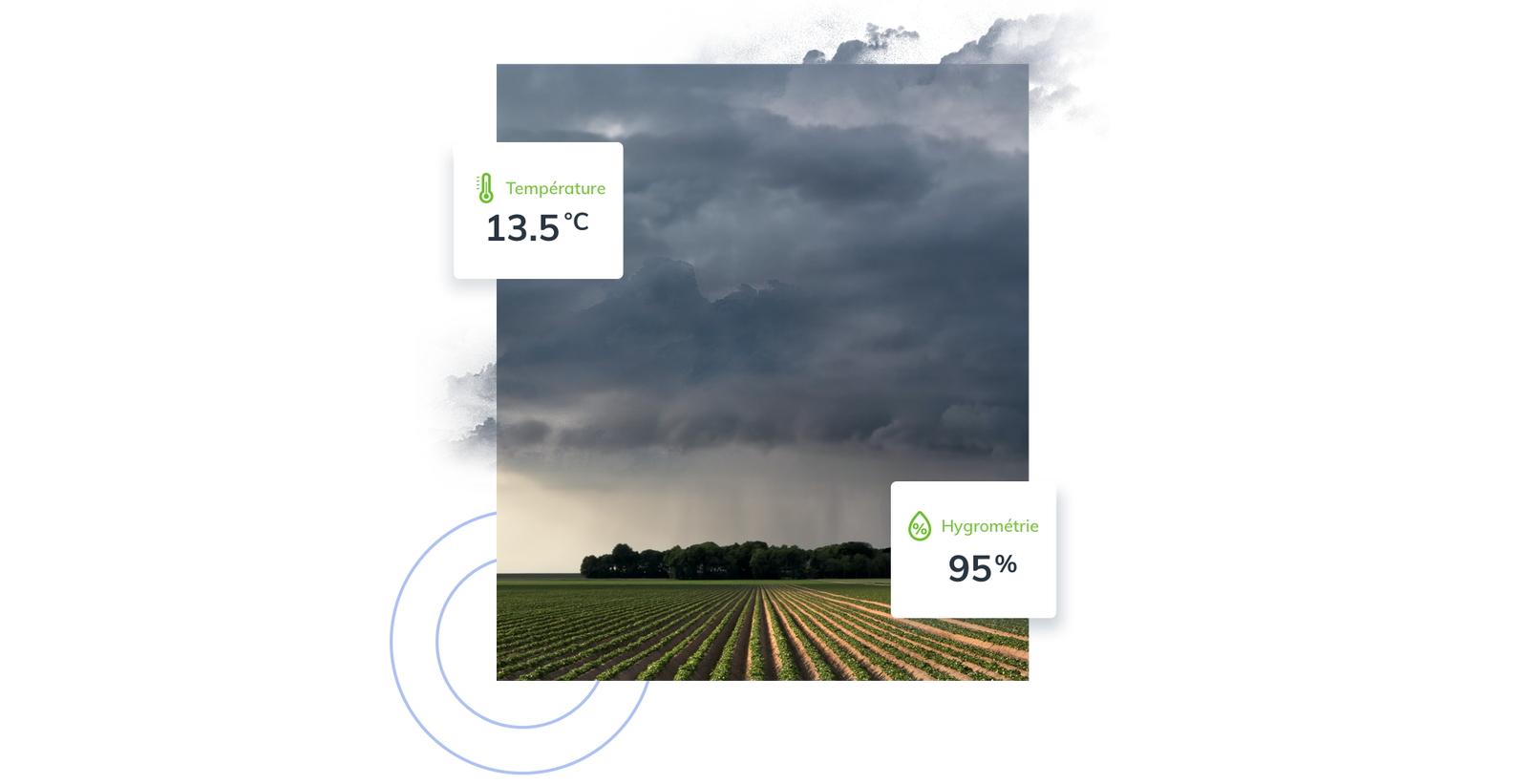
High relative humidity, above 90%, caused by frequent rain or heavy dewand Mild temperatures, with averages above 11°C
The presence of free water on leaves triggers the germination of spores (oospores) and initiates infection. This is why wet, mild periods — a hallmark of the UK climate — represent the most critical risk windows throughout the growing season.
Key point: In England, the first infections often occur in May–June, during crop emergence, when the foliage is still young and highly susceptible.
How to Prevent and Manage Potato Late Blight?
1. Choose Resistant Varieties
Some potato varieties offer partial or full resistance to late blight. Variety selection is the first agronomic lever to activate, particularly in organic farming where chemical treatments are restricted. The AHDB Potato Variety Database provides variety-specific resistance ratings to help growers make informed choices.
2. Apply Sound Cultural Practices
Crop rotation: avoid returning to the same field for at least 3 to 4 years
Volunteer destruction: crop residues and volunteer plants are primary inoculum sources
Careful earthing up: limit tuber contamination from soil-borne spores
Irrigation management: where possible, irrigate in the morning to allow foliage to dry quickly
3. Time Fungicide Applications Accurately
Fungicides remain the primary protection tool. Their effectiveness depends on three conditions:
Acting preventively, before symptoms appear
Respecting intervals between treatments according to disease pressure
Alternating active ingredients to limit the risk of resistance
Timing applications based on epidemiological models allows growers to optimise the number of interventions and adjust doses to actual disease pressure.
Monitoring late blight risk with connected weather tools
The key to managing potato late blight is anticipation. An alert issued 24 to 48 hours before a risk window allows you to intervene at the optimal moment: not too early (where product is washed off before infection occurs), and not too late (when the pathogen is already established).
This is why field-level weather monitoring tools and disease risk forecasting models have become indispensable allies for potato growers.
The Hutton Criteria: a validated model for the UK
In the UK, the Hutton Criteria is the established decision-support model for forecasting late blight risk. It was developed to replace the older Beaumont criteria and is specifically calibrated for British growing conditions.
The Hutton Criteria triggers a blight risk alert when two consecutive days each record:
A minimum temperature of 10°C or above, and
At least 6 hours with relative humidity ≥ 90%
Sencrop integrates this model directly, cross-referencing real-time data from your weather station (rainfall, temperature, humidity) with the Hutton Criteria to generate field-specific risk alerts. Rather than relying on regional forecasts, you receive an assessment that reflects the precise microclimate of your own plots.
It can also be used in conjunction with other Decision Support Tools (DST) to refine treatment timing further.
What Sencrop Allows You to Do
By combining ultra-local weather data with validated disease forecasting models, Sencrop enables you to:
Monitor humidity, temperature and rainfall at field level in real time
Set custom treatment alerts triggered by combinations of weather thresholds (e.g. temperature above 12°C and humidity above 80%)
Identify the best spray windows by monitoring wind conditions to ensure safe and effective application
Connect your weather data to your chosen Decision Support Tool (DST) for more precise treatment positioning
Conclusion
Potato late blight is a serious threat — but a manageable one. The key lies in continuous monitoring of weather conditions, evidence-based treatment decisions, and anticipating risk periods before the disease takes hold. By combining sound agronomic practices with connected monitoring tools and validated decision-support models, UK potato growers have every resource they need to protect their fields effectively.
The Sencrop team
Share this article
A newsletter on weather and Ag-Tech
Twice a month, news on agricultural weather, ag-tech, and Sencrop innovations to enlighten you and help you make better decisions every day. Subscribe now! 👇