Risks of leaching: how to prevent your inputs from being washed away by the rain?
• 6 min read
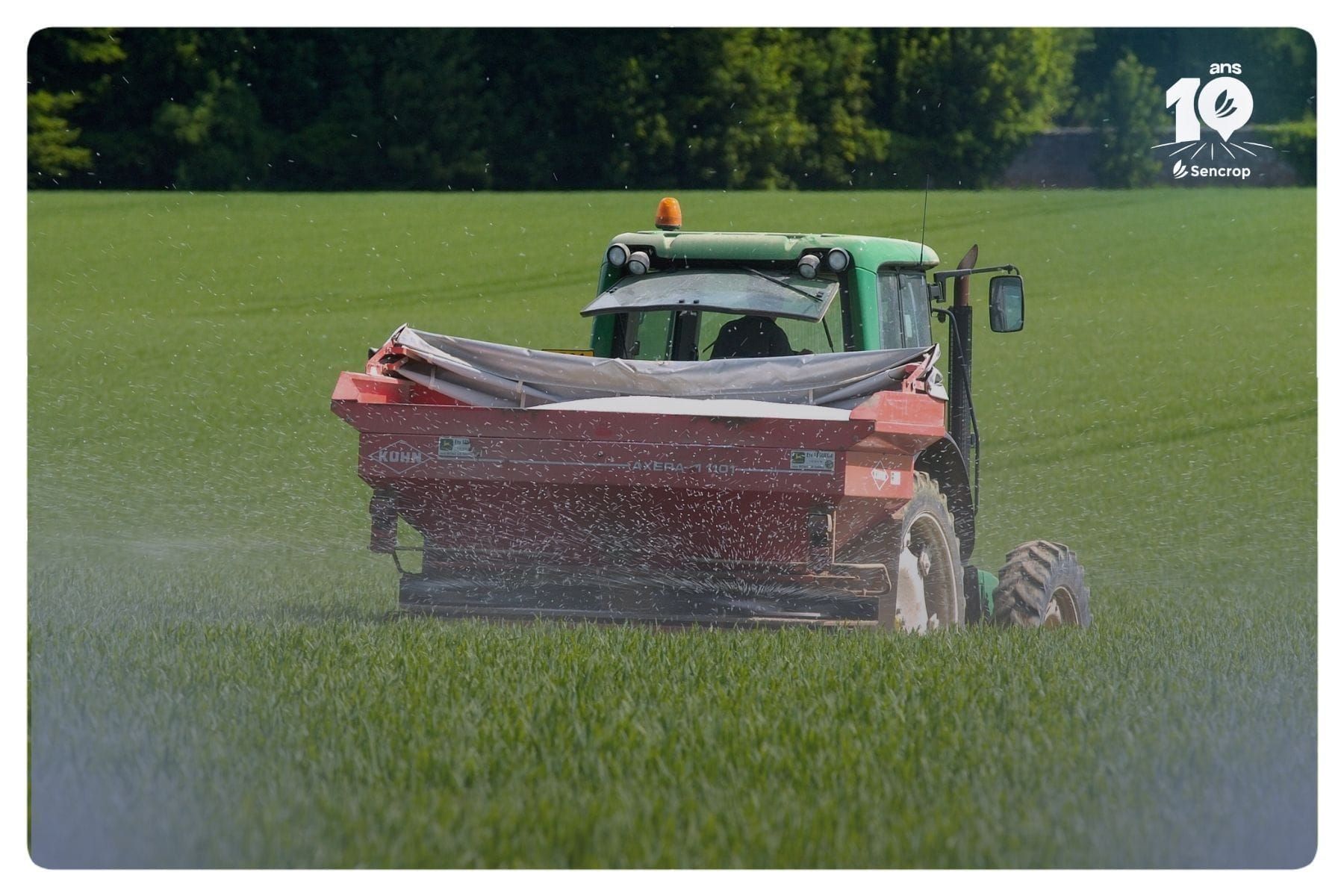
Nitrogen, fertilizers, pesticides: your inputs are expensive. Very expensive. And when heavy rain hits right after application, some of it can literally disappear beneath your feet. Leaching is an often underestimated phenomenon, but one that can have a direct impact on yield, treatment effectiveness… and your wallet.
💡 Good news: there are concrete ways to limit these losses and better anticipate them. And local weather plays a key role.
What exactly is leaching?
Leaching refers to the movement of soluble elements in the soil due to the action of water. Simply put: when it rains heavily, some elements applied to the surface can be carried down to deeper soil layers, beyond the reach of the roots.
The result: - reduced agronomic efficiency - economic losses - and environmental risks (groundwater pollution, eutrophication, etc.)
💡
The phenomenon mainly concerns nitrogen fertilizers, certain mineral elements, and certain soluble plant protection molecules.
Why is nitrogen particularly vulnerable?
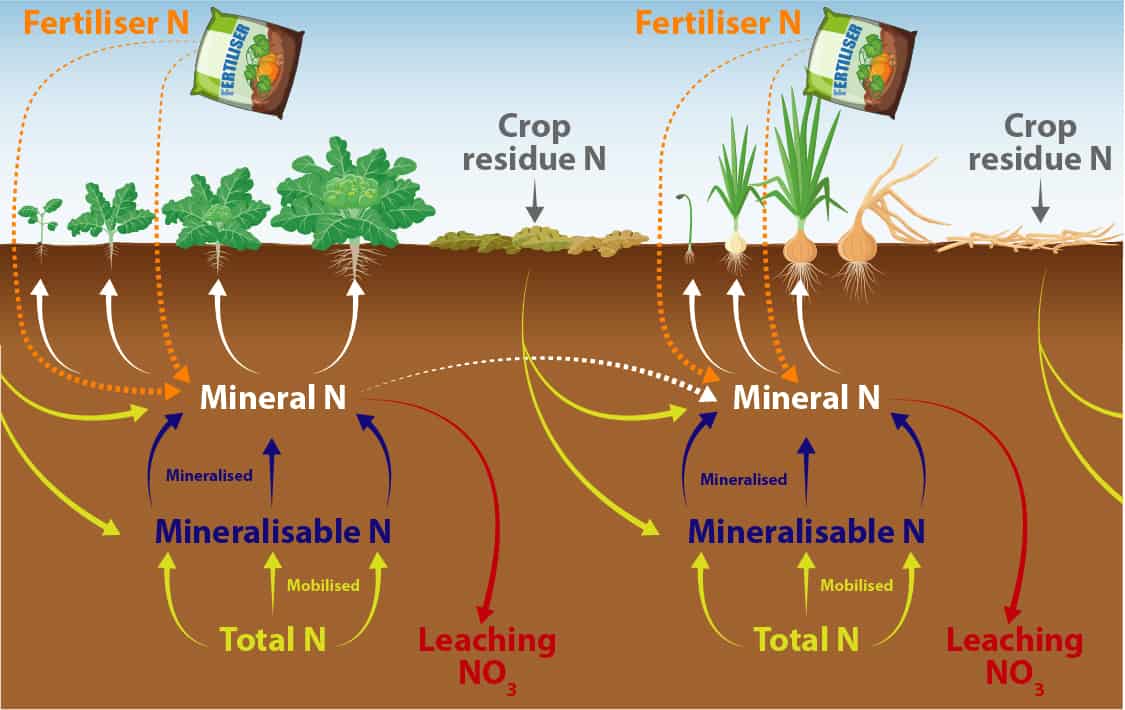
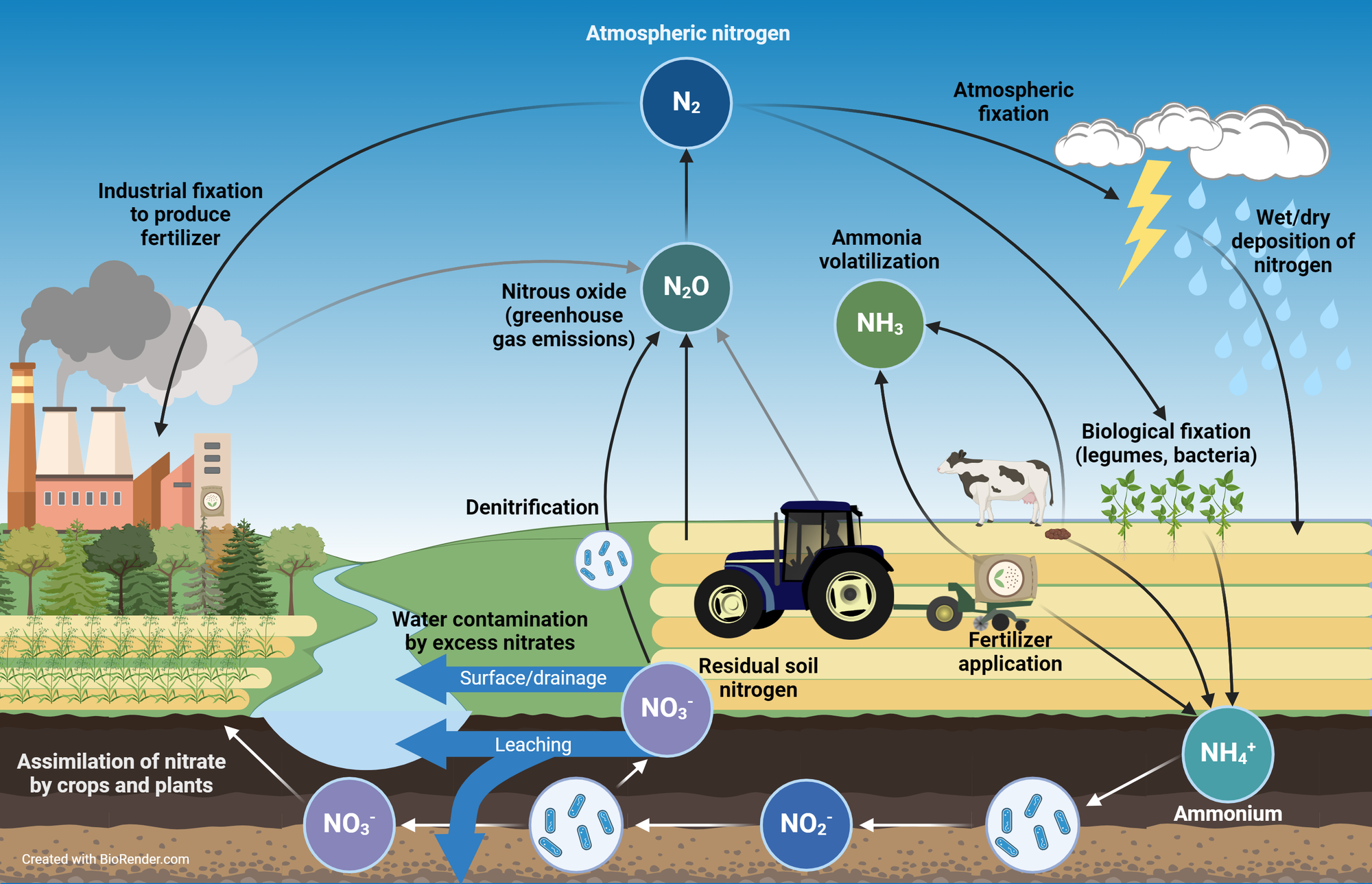
When you apply urea, ammonium nitrate, or a nitrogen solution, the nitrogen doesn't remain in its initial form for long. Soil bacteria gradually transform it into nitrate (NO3-). And that's where the problem lies. Nitrate is highly soluble in water, binds very little to the soil, and is easily washed away by rain.
⌛Between application and uptake by the crop, there is therefore a "window of opportunity".
If a period of heavy rainfall occurs during this time, some of the nitrogen can be leached away before it can even be used by the plant...
Which products are most susceptible to leaching?
Not all inputs react the same way to rain.
🧪 Nitrogen fertilizers: very susceptible
Nitrates, urea, nitrogen solution, ammonium nitrate. These are the products most prone to leaching.
🪨 Other fertilizers: variable susceptibility
Potassium, sulfur, boron, or magnesium can also be affected, depending on: their chemical form, the soil type, and weather conditions
🌾 Herbicides: beware of soluble molecules
Pre-emergence herbicides are particularly susceptible when heavy rain occurs soon after application.
🍄 Fungicides and insecticides: depends on the formulation
Some active ingredients adhere better to the soil or plant than others.
💡
General rule: the more soluble a product is in water, the more vulnerable it is to leaching.
Weather: The Changing Factor
We often talk about rainfall totals. But in reality, several weather parameters influence the risk of leaching.
1. Rainfall Intensity
💡 20 mm falling in 2 hours does not have the same impact as 20 mm spread over 2 days. Violent thunderstorms greatly promote runoff, rapid infiltration, and the transfer of mobile elements.
2. Soil Temperature
Mild temperatures accelerate soil biological activity… and therefore the transformation of nitrogen into nitrate.
Soil that is already moist absorbs new rainfall less effectively. Water then drains more quickly into the soil.
4. Crop Stage
An underdeveloped crop absorbs applied nutrients less rapidly. This is why autumn and winter are sensitive periods, while in summer an active crop limits losses more (even if there are far fewer treatments in summer).
How can we limit losses due to leaching?
Leaching is not inevitable. In practice, it depends primarily on the time lag between two phenomena: the moment the nutrient becomes mobile in the soil and the moment the crop is able to absorb it. The agronomic objective is therefore simple: to minimize this "window of vulnerability." Several strategies can significantly reduce this risk.
Splitting applications
When a large dose of nitrogen is applied all at once, the amount potentially leached by soil increases. Conversely, splitting applications allows for better synchronization of crop needs with nitrogen availability in the soil.
This is especially true in spring, when needs can change rapidly depending on growth dynamics, soil temperature, and water availability.
By limiting the amount present at any given time, we also reduce the risk of nitrates being leached into deeper layers of the soil after rainfall.
Anticipating the application window based on the weather
This is often where the true effectiveness of an application hinges. Two identical applications can produce very different results depending on the weather conditions in the following days. Moderate rain can promote the dissolution and assimilation of certain fertilizers. However, a heavy downpour, especially on already moist soil, accelerates leaching into the deeper layers before the plant has even had a chance to absorb the nutrients.
The risk increases significantly when several factors combine:
mild temperatures
soil that is dry on the surface but still moist at depth
heavy rain within 24 to 72 hours of application
In these situations, a few hours' delay is sometimes enough to preserve the effectiveness of an application.
💡
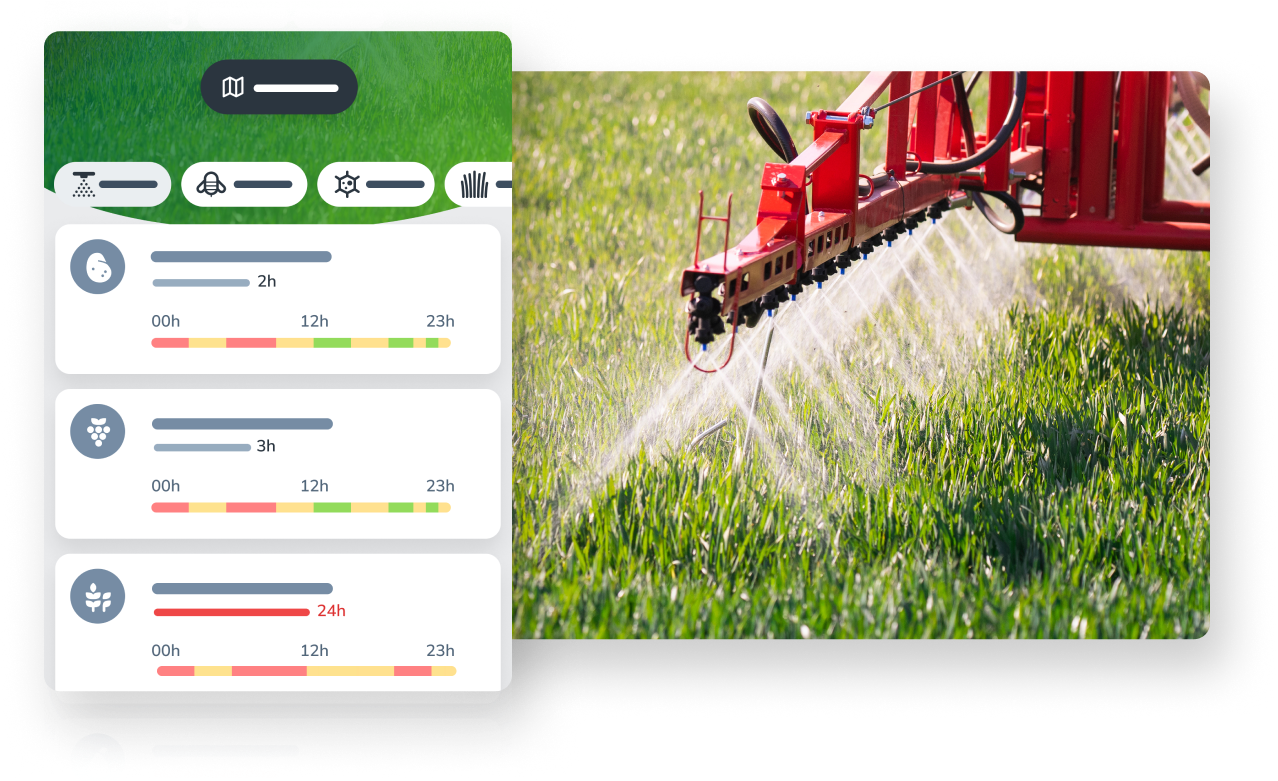
It is precisely to help identify these favorable windows that Sencrop offers the treatment window feature. These windows combine your crop type, the type of product applied, and local weather forecasts to estimate, hour by hour, the conditions that are truly favorable for intervention.
The aim is not only to avoid rain. It is primarily to intervene within a window of opportunity where the product can be used quickly, absorption conditions are good, and the risk of transfer remains limited.
Adapting Formulations to Soil and Weather Conditions
Not all forms of nitrogen behave the same way in the soil.
Nitric forms are immediately available… but also immediately leachable. Conversely, some formulations slow down nitrogen transformation and reduce its mobility during sensitive periods.
This is particularly true of:
slow-release fertilizers
nitrification inhibitors
or certain less soluble formulations
Their importance becomes especially significant in areas with high rainfall or on well-drained soils.
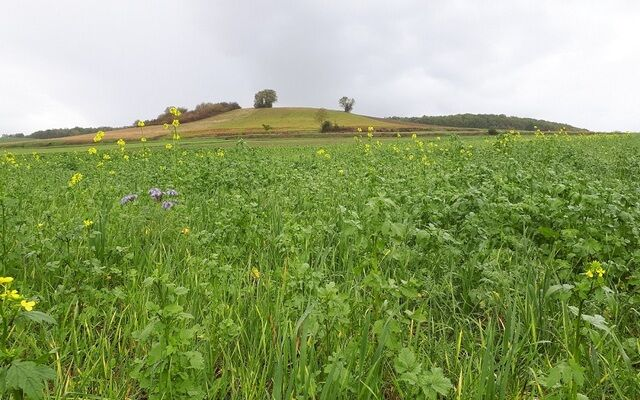
Planting cover crops: a key role in intercropping
In autumn and winter, the risk of leaching increases significantly because the existing crops absorb little or no nitrogen.
Intercrops that trap nitrates then play a crucial role. They capture some of the mineral nitrogen still present in the soil and limit its migration to groundwater during rainy periods.
Beyond the regulatory aspect, their agronomic benefits are real:
maintaining soil structure
improved water infiltration
reduced erosion
and gradual release of nutrients to the following crop
@pleinchamp
Why does local weather really make a difference?
In agriculture, the problem isn't just "checking the weather." It's more about knowing which weather to check.
Most major weather websites rely on a single weather model and validate their forecasts using a limited number of reference stations, often spread across a single department. As a result, forecasts can lack local precision, particularly regarding:
rainfall totals
the intensity of down
poursthe exact timing of events
or even temperature variations between fields.
However, in the case of leaching, a few kilometers can be enough to completely change the risk level.
A localized 25 mm thunderstorm after fertilizer application obviously doesn't have the same impact as light, steady rain. Yet, these differences are often poorly captured by overly general forecasts.
This is where local weather data becomes crucial. By relying on field measurements and several continuously compared weather models, it becomes possible to refine intervention decisions at the actual field scale.
👉 The goal isn't just to "avoid rain." It's primarily about intervening at the right time to maximize agronomic efficiency.
Key Takeaways
Leaching is a natural phenomenon, but its technical and economic consequences are far from negligible. When fertilizer application is followed by a mild, rainy period, the transformation and mobility of certain elements, particularly nitrates, can lead to rapid losses before absorption by the crop.
Limiting this risk relies primarily on proactive planning:
adjusting application rates
choosing the right formulation
applying at the right time
and optimizing applications based on local weather conditions.
Because ultimately, a few millimeters of rain or a few hours' difference can be enough to make the difference between a valuable application and a wasted one.
The Sencrop team
Share this article
A newsletter on weather and Ag-Tech
Twice a month, news on agricultural weather, ag-tech, and Sencrop innovations to enlighten you and help you make better decisions every day. Subscribe now! 👇