Spring drilling: why local weather makes all the difference
• 4 min read
Spring marks the start of a new dynamic on the plots. Corn, beets, sunflowers, open-field vegetables… drilling often follow one another in short windows, where every decision counts.
On paper, the conditions seem favorable: temperatures are rising, the soil is drying out, and the days are getting longer. Yet, the difference between a regional weather forecast and the reality on a plot of land can be crucial. At spring drilling time, local weather doesn't just influence working conditions; it determines emergence, uniformity, and sometimes even yield potential.
Spring drilling: a window of opportunity that is often short
In April, favorable opportunities can close as quickly as they opened.
💡
Soil that is too wet delays intervention, a rainy episode forecast in 48 hours can disrupt the organization, and a few degrees less slow down germination.
The challenge lies in intervening neither too early nor too late. Drilling in still-cold soil risks slow and uneven emergence. Waiting too long can cause the loss of an ideal window of support or expose the plot to intense rainfall.
In this context, relying solely on departmental weather data is no longer sufficient. Agronomic reality plays out at the plot level.
Soil temperature: the decisive indicator
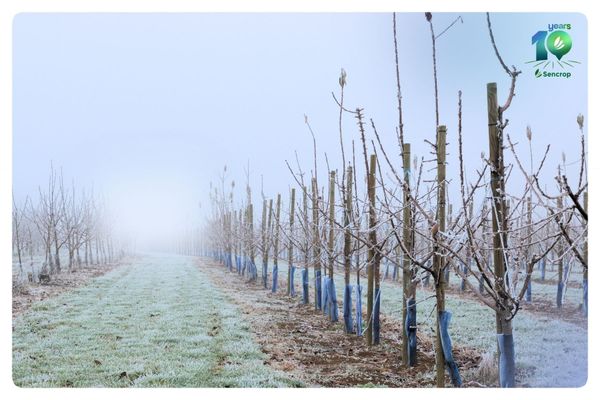
We often talk about air temperature, but it is actually soil temperature that determines the germination rate. Corn sown in soil at 8°C will not react the same way as in soil stabilized above 10–12°C. Sugarbeet planted in still-cold soil may emerge unevenly, with an increased risk of losses.
However, soil temperature varies greatly depending on:
the structure of the soil
the exposure of the plot
the humidity level
the previous vegetation cover
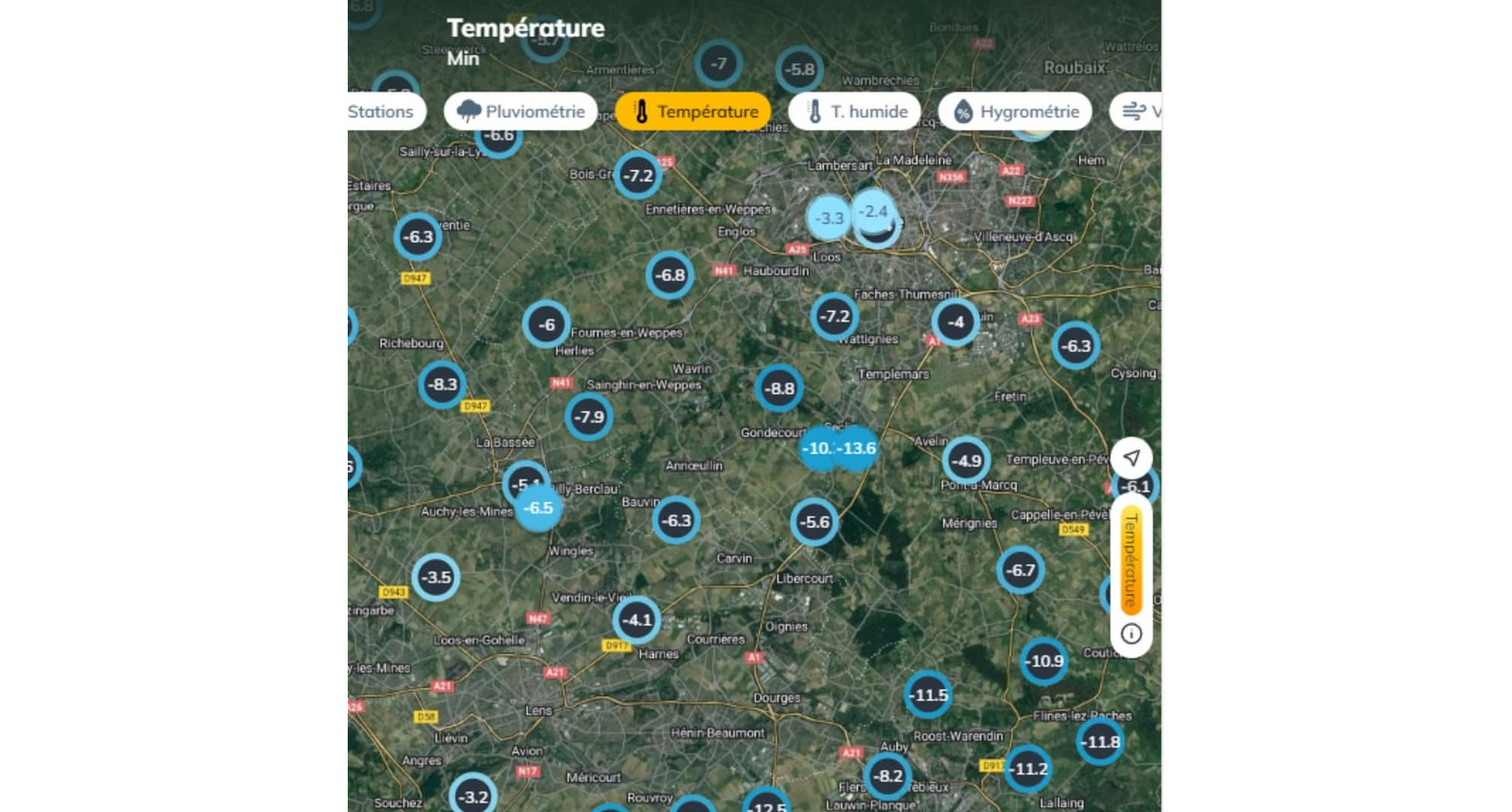
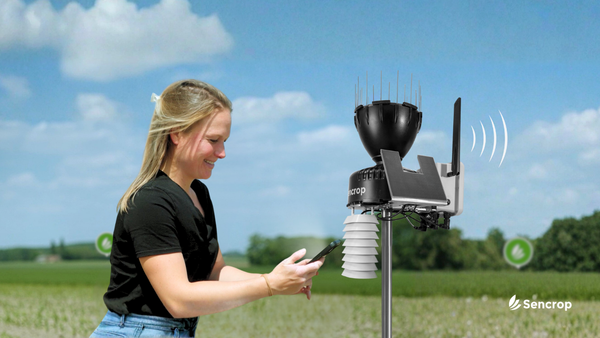
Two neighboring farms can experience several degrees of temperature difference. Having a weather station connected directly to the farm, such as those in the Sencrop network, allows for the observation of actual conditions and their evolution day after day.
This local monitoring helps to identify when the temperature stabilizes sustainably above the favorable threshold, rather than relying on a regional average that is sometimes too optimistic.
Rainfall: avoid soil compaction and settling
The risk is not solely thermal. Spring drillings are particularly sensitive to soil structure.
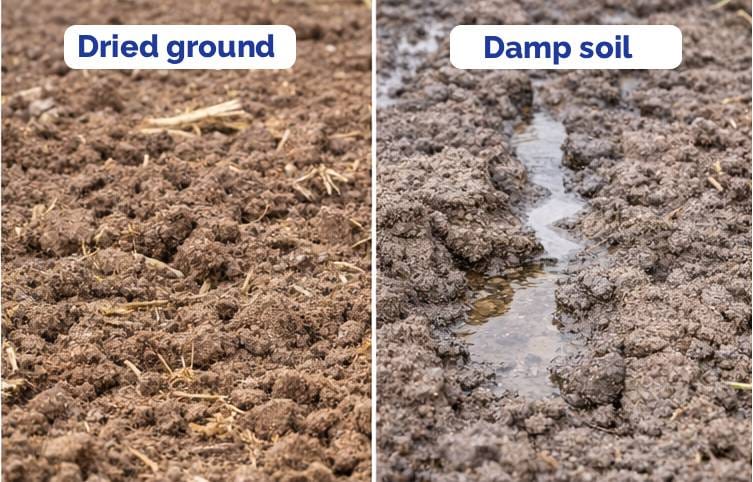
Heavy rain after planting can cause a surface crust, hindering emergence and negatively impacting establishment. Conversely, planting in soil that is still too wet can lead to compaction, the consequences of which will be felt throughout the season.
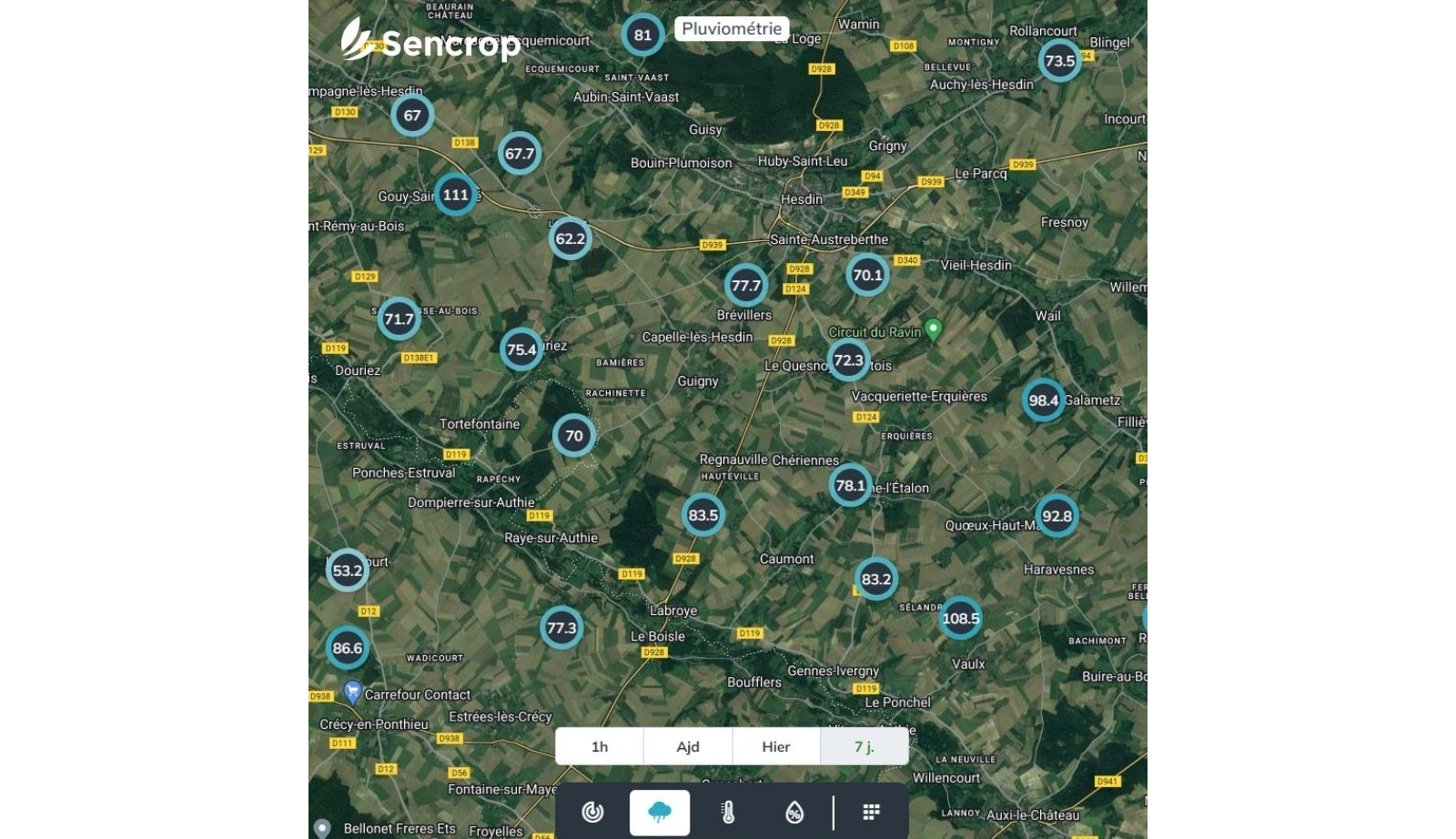
Accurately monitoring rainfall totals at the plot level changes how we anticipate these situations. A Sencrop local weather station allows us to measure the actual millimeters of rainfall that have fallen on the area in question, and not those recorded several kilometers away.
👉 This precision helps to assess the actual bearing capacity of the soil and to decide between intervening immediately or waiting a few days.
Example of weather difference: mm of rain within a 20km² radius
Wind and humidity: parameters often underestimated
Wind and humidity also play a role in successful drilling. A strong wind can accelerate surface drying, giving the illusion of soil ready for tillage while the subsoil remains damp. Conversely, high humidity can slow drying despite mild temperatures.
These parameters also influence the application conditions of any treatments associated with sowing.
Make the right decision based on local weather
The real challenge of spring drilling lies in synchronization. It involves combining several indicators: soil temperature, rainfall patterns, wind dynamics, and humidity.
The local weather forecast helps identify the best window of opportunity, the one where:
the ground is sufficiently warmed
the lift is correct
No intense rainfall is imminent.
Conditions remain stable for several days after implantation
This detailed vision reduces the risk of re-drilling, improves the uniformity of emergence and secures the potential from the first weeks.
Plan to secure the growing campaign
Spring drilling lays the foundation for the entire growing season. Successful establishment determines the regularity of development, resistance to subsequent stresses and, ultimately, yield.
In a more unstable climate context, where intense rainfall alternates with dry periods, relying on accurate local weather becomes a real strategic lever.
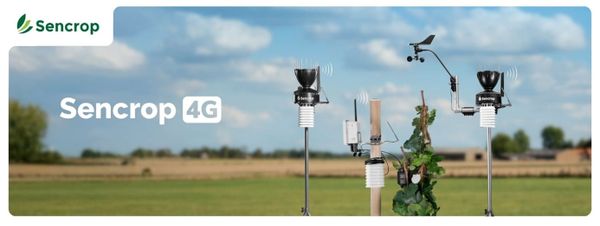
Thanks to Sencrop's connected weather stations, farmers have access to reliable data, measured directly on their farms. This detailed understanding of the microclimate allows them to make more confident decisions, optimize their operations, and approach the season with greater peace of mind.
In spring, a few well-chosen days can make all the difference.
The Sencrop team
Share this article
A newsletter on weather and Ag-Tech
Twice a month, news on agricultural weather, ag-tech, and Sencrop innovations to enlighten you and help you make better decisions every day. Subscribe now! 👇