Autumn is a crucial time for autumn cereals. As the cereals begin to grow, conditions are often favourable for weeds to emerge, which can compete strongly with existing crops. Along with diseases and pests, they are one of the biggest risks to crops.
Weeds are still young and underdeveloped, which is why it's easier and cheaper to take action at this time.
Autumn weeding is therefore the most effective way of protecting crops and guaranteeing optimum yields.
Weather conditions favourable to weeds in autumn
Weeds develop particularly well in autumn due to favourable weather conditions. Several meteorological factors play a key role:
Mild temperatures encourage weeds to germinate, particularly short-cycle weeds such as ryegrass and certain annual grasses.
Regular rainfall creates a moist environment, conducive to the germination of weed seeds. Wet soils make it easier for weeds to root and make them more competitive with cereals.
Shorter days and low light levels do not hinder the emergence of certain autumn weeds. Some species, such as field vulpine, tolerate these conditions well.
Main weed problems for cereals in autumn
The best-known autumn weeds include :
Field Vulpine (Alopecurus myosuroides): Highly competitive, this is one of the most problematic weeds in winter cereals. Its proliferation is encouraged by short rotations and shallow tillage methods.
Ryegrass ( Lolium perenne): Very aggressive and fast-growing, ryegrass, particularly Italian ryegrass, is a problematic weed. It is particularly feared for its ability to develop resistance to herbicides, making it difficult to manage.
Bromegrass (Bromus sterilis): Highly competitive, bromegrass is responsible for major yield losses in winter cereals. Its rapid germination in autumn and its ability to develop in unworked or poorly weeded plots make it a difficult weed to control.
Persian speedwell: Although smaller in size, this weed spreads easily and can colonise the spaces between cereal rows, affecting their development.
Bedstraw (Galium aparine): A highly invasive weed, bedstraw is particularly problematic in winter cereal crops. Thanks to its creeping stems and hooks, which enable it to climb up neighbouring plants, it competes effectively with young cereal plants.
Ways of combating these weeds
Agronomic levers
Ploughing allows weed seeds to be buried so that they lose their ability to germinate. It should be carried out intermittently, depending on the weed's annual rate of decline.
False seeding consists of preparing the soil, allowing weeds to germinate and then destroying them before the crops are planted. This reduces weed pressure when the cereals emerge.
By shifting the sowing date, the number of weeds can be reduced, as the conditions are less favourable for their emergence. However, this has very little effect on late germinating species such as speedwell.
Crop rotation disrupts the weed cycle and encourages weed decline. Extending the time between two successive generations of the same weed species limits the amount of seed in the soil.
Plant cover crops, planted between two main crops, also compete with weeds by preventing them from germinating.
Increasing the density of sowing reduces the chances of weeds establishing themselves.
Chemical control
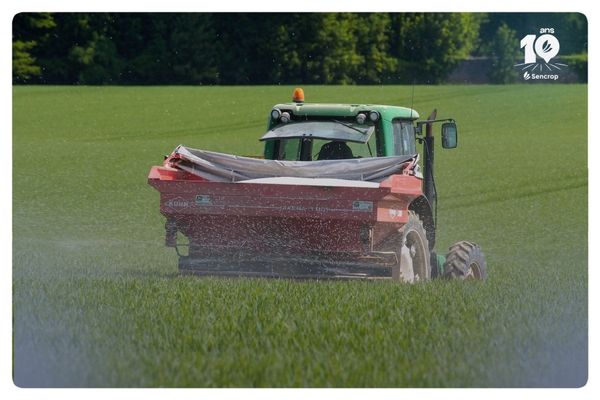
In autumn, early application of selective herbicides is often necessary to limit weed proliferation. Pre-emergence herbicides are particularly effective, especially against grasses such as vulpine. Products based on flufenacet, for example, can control a broad spectrum of weeds.
However, to limit the risk of herbicide resistance, it is advisable to vary the modes of action and alternate chemical families. In addition, herbicides must be applied in the recommended doses and at the recommended times to avoid loss of effectiveness or damage to crops.
Finding the right treatment window with Sencrop
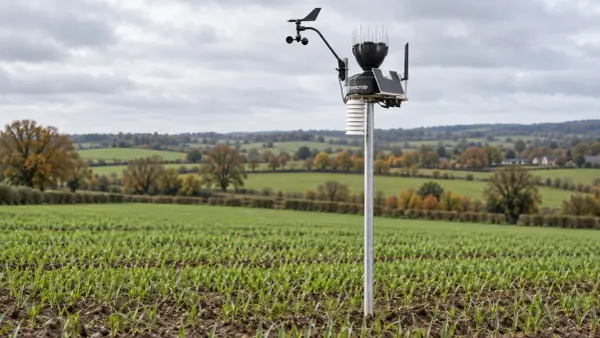
Herbicides need to be applied in optimum weather conditions to guarantee their effectiveness. That's why you need an ultra-local weather reporting service and reliable, accurate forecasts. With Sencrop, you can access :
live weather reports for your fields, so you can monitor conditions in real time.
Sencrop forecasts, an automatic aggregation of the most reliable forecasts for your locality.
Sencrop also allows you to easily identify the next optimal treatment window.
Sencrop treatment window
For each of your fields, you can identify whether the weather conditions are optimal, sub-optimal or unfavourable for applying your product. The application rules are adapted to your product type (for the herbicide category, you can specify whether it's a contact or systemic foliar herbicide, or a contact or systemic root herbicide).
As a general rule for herbicides, you should :
Do not spray before heavy rain to limit migration of the product applied to the roots of the crop.
hygrometry higher than 60%.
avoid periods of frost and excessive temperature variations (optimum temperatures between 10 and 20°C)
wind speeds of less than 10 km/h
Discover the Sencrop solution
Create your profile, connect to a station close to your plots and benefit from a free trial, without obligation.
Twice a month, news on agricultural weather, ag-tech, and Sencrop innovations to enlighten you and help you make better decisions every day. Subscribe now! 👇