BYDV risk runs on temperature from the day your crop emerges. How the 170 day-degree T-sum works, how to set a 150 alert in the Sencrop app, and which levers reduce the risk this autumn.
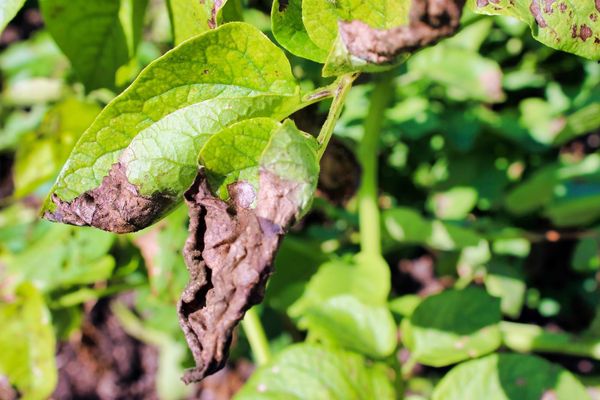
For barley yellow dwarf virus, the risk clock does not start when you drill, or when you first spot an aphid. It starts when the crop emerges, and it runs on temperature. Once the crop has accumulated 170 day-degrees above 3°C, the next generation of aphids may already be spreading the virus through the field. This autumn, that clock is running fast: after a year of above-average temperatures, September-drilled crops are already at risk. Here is how the T-sum works, how to set up an alert in the Sencrop app, and which levers reduce the risk.
💡
At a glance - The T-sum adds up daily air temperatures above a 3°C base, from crop emergence or from the end of a pyrethroid's persistence. - At 170 day-degrees, the wingless second generation of aphids may be present : this is the one that spreads BYDV within the crop (AHDB). - Set a Sencrop alert at 150 day-degrees : depending on the temperature, it gives you 1 to 2 days to prepare a spray. - Each field emerges on a different date, so each field has its own T-sum.
Why the T-sum matters this autumn
The virus load is high. According to AHDB testing reported by Farmers Weekly, 34% of the aphids tested in autumn 2025 carried the virus, the highest proportion in seven years. Frontier's September 2026 grower bulletin reports that early-season testing suggests 40 to 50% of aphids are carrying the virus this year.
The weather is driving the clock. Temperatures have stayed above historical averages all year, and the Met Office said in September that a warm and wet autumn was around 1.5 to 2 times more likely than normal. The warmer it stays after emergence, the sooner each crop reaches 170.
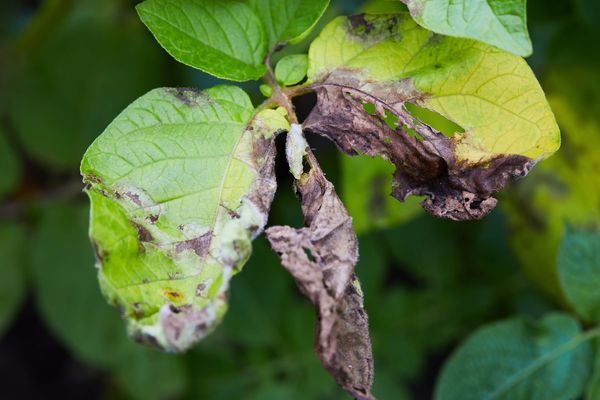
The stakes are high for early-sown crops. An infection early in the autumn, around BBCH 10-12, can cause up to 80% yield loss (Frontier). Infection after the start of stem extension has little impact on yield.
The main vectors are the bird cherry-oat aphid, more important in the south, and the grain aphid, more important in the north and more winter-hardy.
How the T-sum works
Winged aphids fly into the crop in autumn. Their offspring, the wingless second generation, move away from the plant first colonised and walk the virus across the field. AHDB's T-sum estimates when that generation may be present.
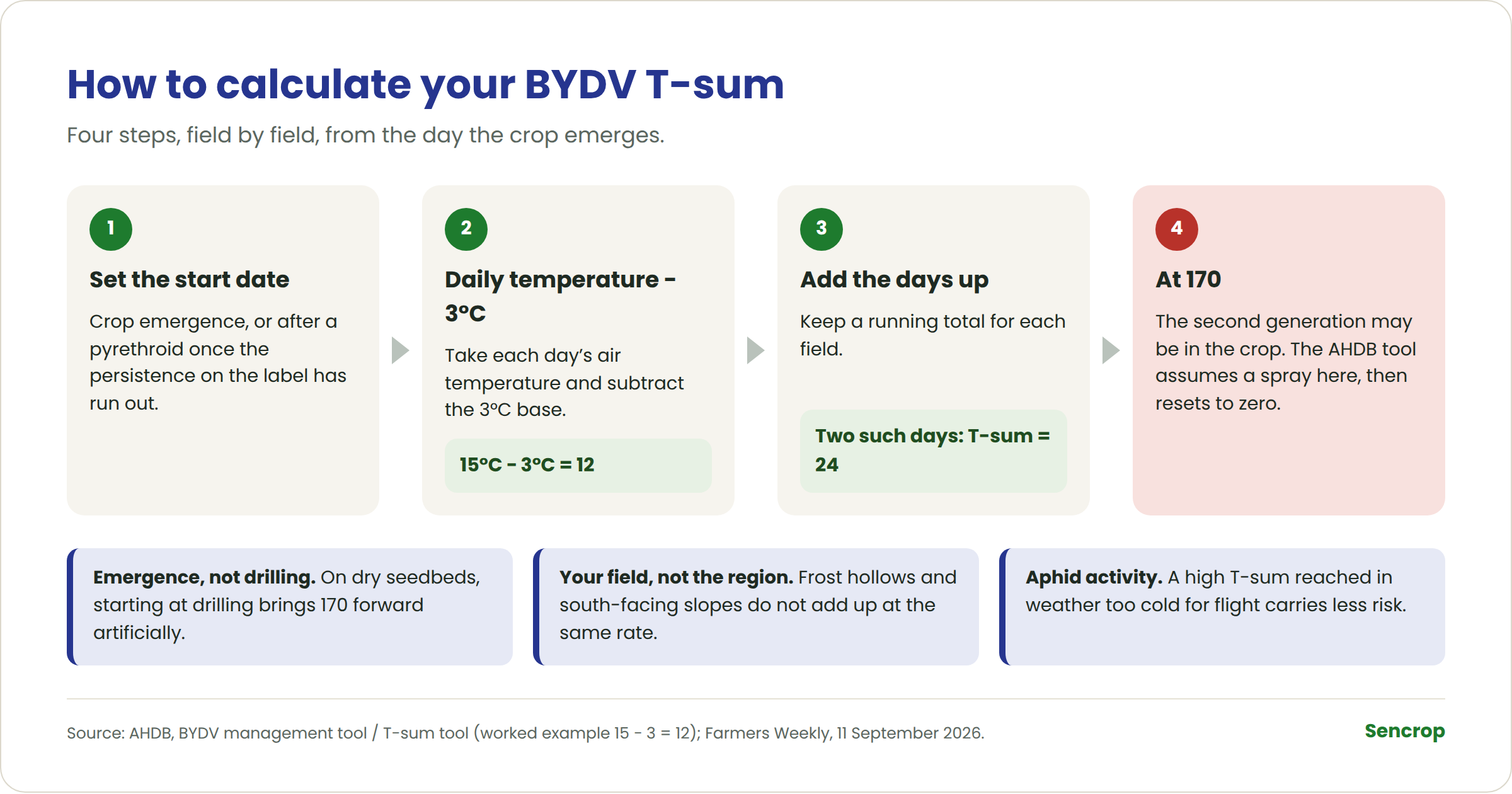
Set the start date: the day of crop emergence, or the date after a pyrethroid application once the persistence stated on the label has run out.
Each day, take the air temperature and subtract 3°C. AHDB's worked example: 15°C minus 3°C gives 12.
Add the days together until you reach 170.
At 170, the second generation may be in the crop. The AHDB tool assumes a spray at that point, after which the count resets to zero.
How to calculate a BYDV T-sum (source: AHDB)
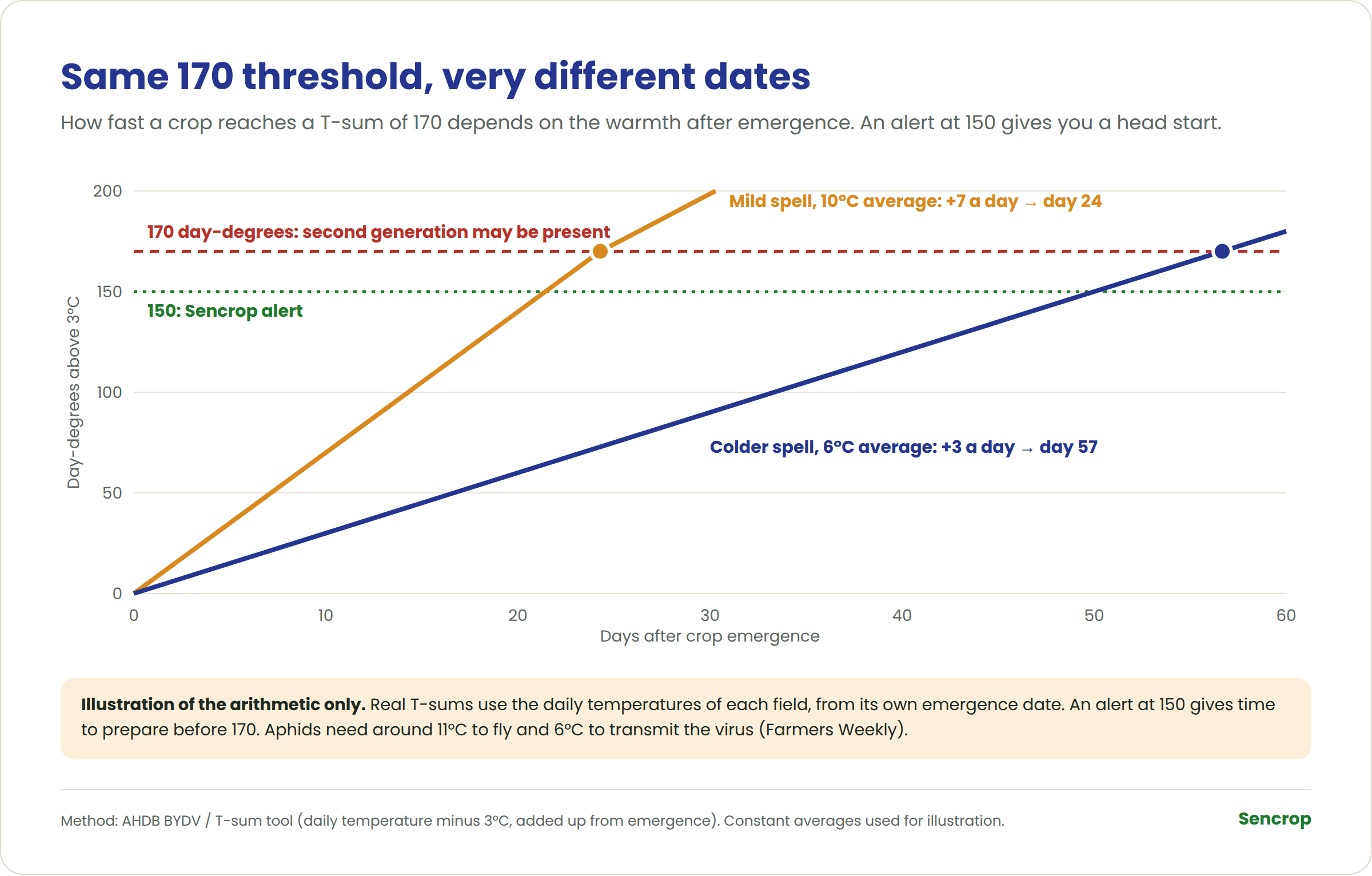
As an illustration of the arithmetic only: a crop that emerged in a spell averaging 10°C would add 7 day-degrees a day and reach 170 in a little over three weeks. In a colder spell it would take much longer.
Illustrative T-sum accumulation: alert at 150, threshold at 170
Three details change the result:
The emergence date, not the drilling date. On dry seedbeds, emergence may lag well behind drilling.
Aphid activity.Farmers Weekly reports that aphids need a minimum of 11°C to fly and 6°C to transmit the virus.
Set up a BYDV alert in the Sencrop app
The T-sum is a temperature sum, and that is exactly what a Sencrop station measures in your field, every 15 minutes. Rather than adding up temperatures by hand, you can let the app count for you and warn you when it is time to act.
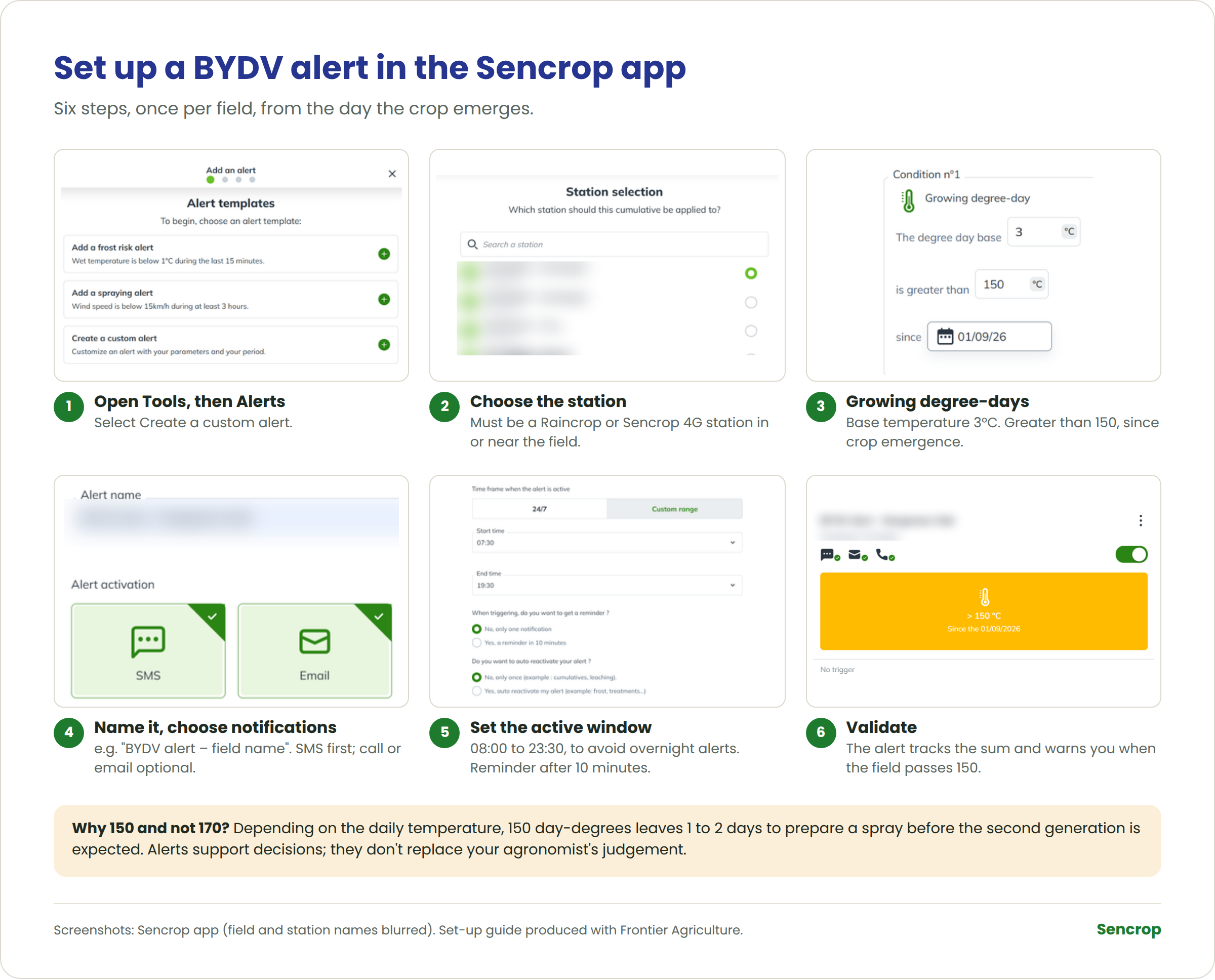
Open the menu, go to Tools, then Alerts, and select Create a custom alert.
Choose the station: it must be a Raincrop or Sencrop 4G station in or near the field.
Choose Growing degree-day and set the base temperature to 3°C.
Set the condition: greater than 150, since the crop emergence date. Validate.
Name the alert, for example "BYDV alert – field name", and choose how to be notified: SMS first, with a phone call or email as options.
Set the active time window, for example 08:00 to 23:30, to avoid overnight alerts, and enable a reminder after 10 minutes.
Setting up a BYDV degree-day alert in the Sencrop app
Why 150 and not 170? Depending on the daily temperature, an alert at 150 day-degrees gives you 1 to 2 days to prepare a spray before the second generation is expected: time to check the forecast, the wind and the sprayer.
Create one alert per field, each with its own emergence date. Between alerts, the growing degree-day and cumulative views in the app let you follow how fast each field is building its T-sum.
Alerts support decisions; they don't replace your judgement or your agronomist's. Use them alongside the AHDB BYDV tool and your local crop knowledge.
What the AHDB BYDV tool adds
Launched on 18 August 2026, the AHDB BYDV tool goes further than the T-sum, which remains available on the same page.
T-sum tool and AHDB BYDV tool: what each one uses
What it uses
T-sum tool
AHDB BYDV tool
Temperature
Daily air temperature above 3°C, from emergence
Local historic, actual and 9-day forecast temperatures
Aphid flights
–
Rothamsted Insect Survey suction-trap counts
Virus
–
Proportion of aphids carrying the virus
Economics
–
Yield loss and financial loss
Levers that reduce BYDV risk
Levers that reduce BYDV risk in winter cereals
Lever
What the evidence says
Source
Drilling date
Emergence date is possibly the most important risk factor: later drilling reduces exposure
AHDB, Frontier
Green bridge
Destroy volunteers and grass weeds well before the crop emerges
Farmers Weekly, Frontier
Varieties
Tolerant winter barleys exist (e.g. KWS Feeris, LG Carpenter); SY Kestrel is so far the only resistant one
Frontier
Insecticides
Moderate pyrethroid resistance in grain aphids: time sprays on the T-sum and use full label rates
When the alert fires, the next question is when conditions allow a spray. The 7-day forecasts draw on more than 20 weather models, the rain radar shows showers approaching, and spray windows help you pick the right slot.
Not equipped yet ? You can try the Sencrop app free for 14 days, with no installation and no commitment, with access to data from the 2 Sencrop stations closest to you.
Let the app count your T-sum this autumn · 14-day free trial · no installation · no commitment
Is your crop approaching the BYDV risk threshold?
Track temperatures and growing degree-days with Sencrop to help plan your next move. Try the app free for 14 days, with no installation or commitment.
Twice a month, news on agricultural weather, ag-tech, and Sencrop innovations to enlighten you and help you make better decisions every day. Subscribe now! 👇