Yellow rust: understanding, preventing and controlling this wheat disease
• 4 min read
When it comes to managing cereal crops, yellow rust is a major fungal disease to which farmers need to pay close attention. The aim of this article is to provide you with an in-depth understanding of the disease, its favourable conditions, its impact on yields and how innovative solutions such as connected ag-meteorological services can help you prevent and control it.
What is yellow rust?
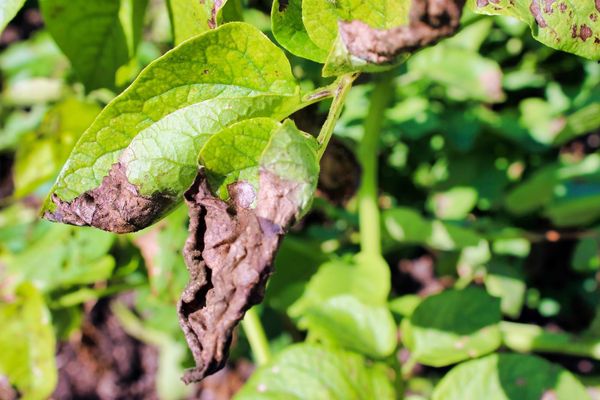
Yellow rust is a disease caused by a fungus called Puccinia striiformis. It occurs mainly on wheat and other grasses, such as barley and triticale. The disease mainly affects the leaves, where it forms streaks of yellow-orange pustules aligned parallel to the veins.
Yellow rust can seriously compromise cereal crop yields. By affecting photosynthesis in infected leaves, the disease weakens the plant, leading to reduced grain filling. In some cases, yield losses of up to 70% have been recorded in heavily affected fields. It occurs less frequently than other foliar diseases, but its consequences are extremely damaging in affected areas.
The disease is particularly damaging because of its relatively short development cycle (around 10 days).
How does yellow rust develop?
Yellow rust overwinters as mycelium or spores on cereal regrowth, stubble or crops sown early in the autumn. It can then survive very low temperatures.
In spring, yellow rust develops in fields due to the germination and dispersal of spores by the wind.
💡
This germination takes place if weather conditions are favourable, i.e.: - Cool temperatures (optimum between 10 and 15°C) - High relative humidity (close to 100%).
Careful monitoring of weather conditions is therefore essential to anticipate periods of risk. It generally appears during bolting in the form of yellow pustules on the lower leaves.
The first signs of yellow rust often appear in the form of small yellow spots on the leaves (hence the name!). These then develop into streaks of yellow-orange pustules, characteristic of the disease. Early detection is crucial to prevent spread. Here are some best practices for monitoring:
Regular visual inspection of the fields, especially during periods favourable for the disease.
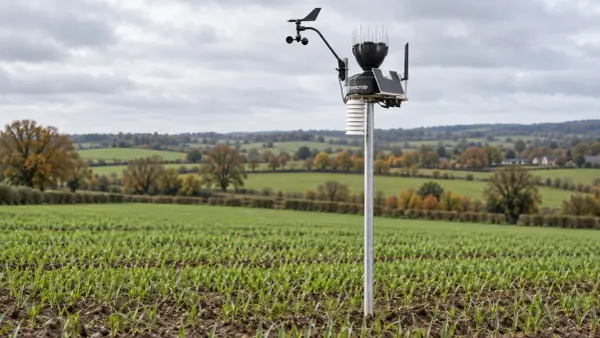
Use weather monitoring tools such as Sencrop to anticipate conditions favourable to the spread of the fungus and act at the right time, with the right products
Prevention and control strategies
Choosing resistant varieties
Certain wheat varieties have greater resistance to yellow rust. Staying updated on the latest varietal recommendations is key to selecting the best crops
Use fungicides rationally
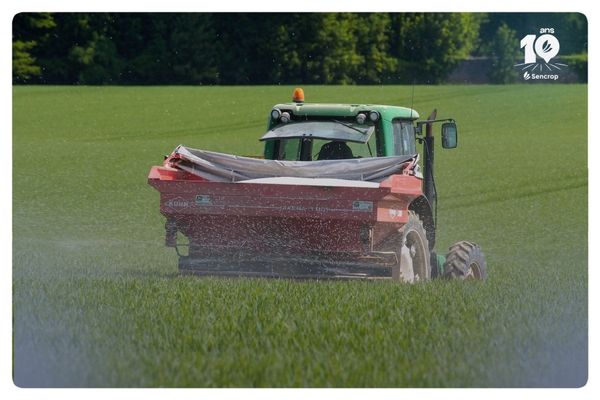
Fungicides may need to be applied in cases of heavy disease pressure. However, preventive use must be well planned to avoid the development of resistance. Interventions must be based on a risk analysis.
Optimising applications with Sencrop
Fungicides must be applied in optimum weather conditions to guarantee their effectiveness. That's why you need an ultra-local weather reporting service, with reliable, accurate forecasts. With Sencrop, not only can you anticipate the arrival of disease, but you can also access :
Live weather reports for your fields, so you can monitor conditions in real time
Sencrop forecasts, which automatically and continuously select the most reliable forecast models for your locality.
Optimal treatment windows for more precise agronomic monitoring of your crops: for each of your fields, identify whether the weather conditions are optimal, non-optimal or unfavourable for applying your product over the next 4 days. (available on the weather Pro plan)
Twice a month, news on agricultural weather, ag-tech, and Sencrop innovations to enlighten you and help you make better decisions every day. Subscribe now! 👇